Author: ehudsegev

  • The “Post‑Prime Promo Fallout” Hack: How Reddit’s New Shopping Feed Quietly Replaced Amazon’s Killed Promo Code Page

    The “Post‑Prime Promo Fallout” Hack: How Reddit’s New Shopping Feed Quietly Replaced Amazon’s Killed Promo Code Page

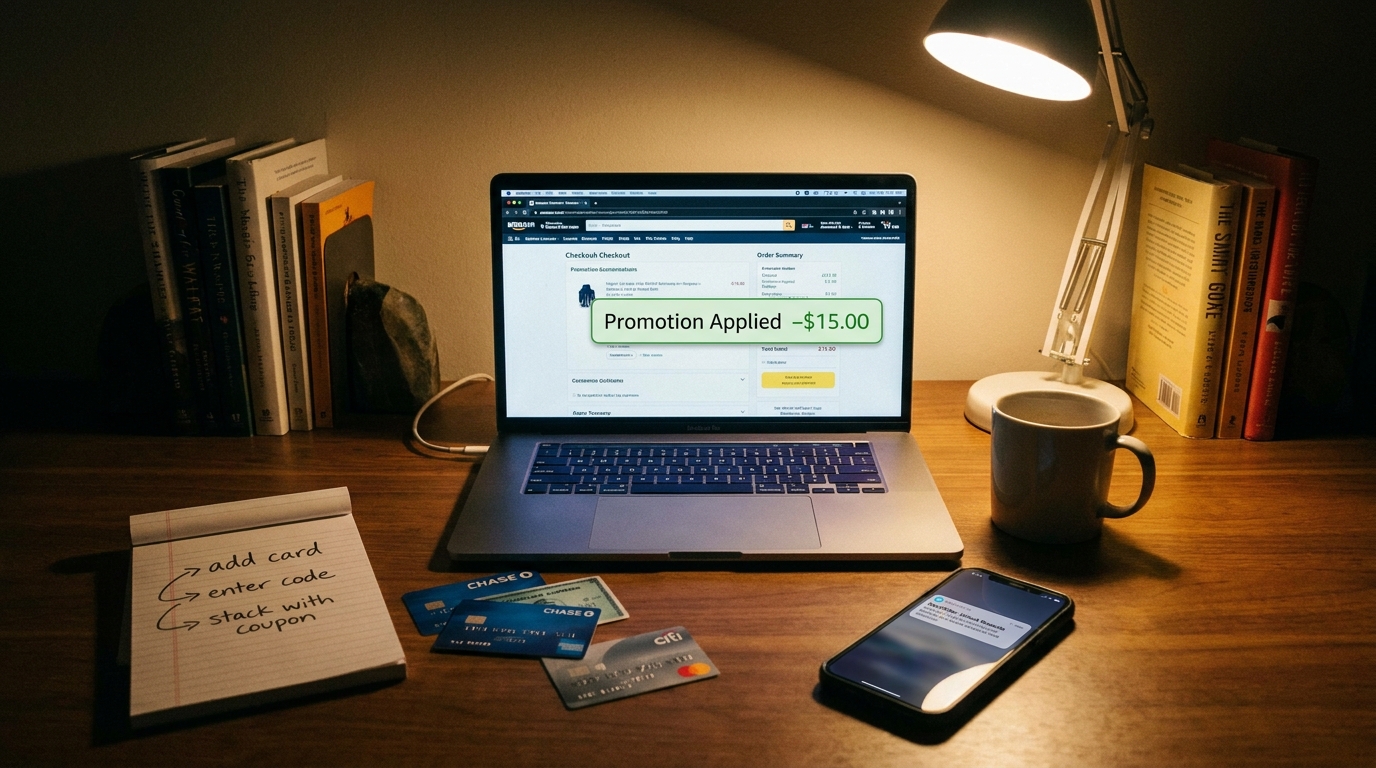
    Plenty of shoppers woke up this month feeling like Amazon had moved the cheese. One day the old Promo Codes page was there, and the next day the usual “copy this code at checkout” routine mostly stopped working. That is why so many TikTok coupon clips and deal blog lists suddenly feel broken. The codes are often expired, region-locked, invite-only, or tied to a product variation you cannot even see from the main listing. It is frustrating, and honestly a little maddening, when you do all the right things and still pay full price.

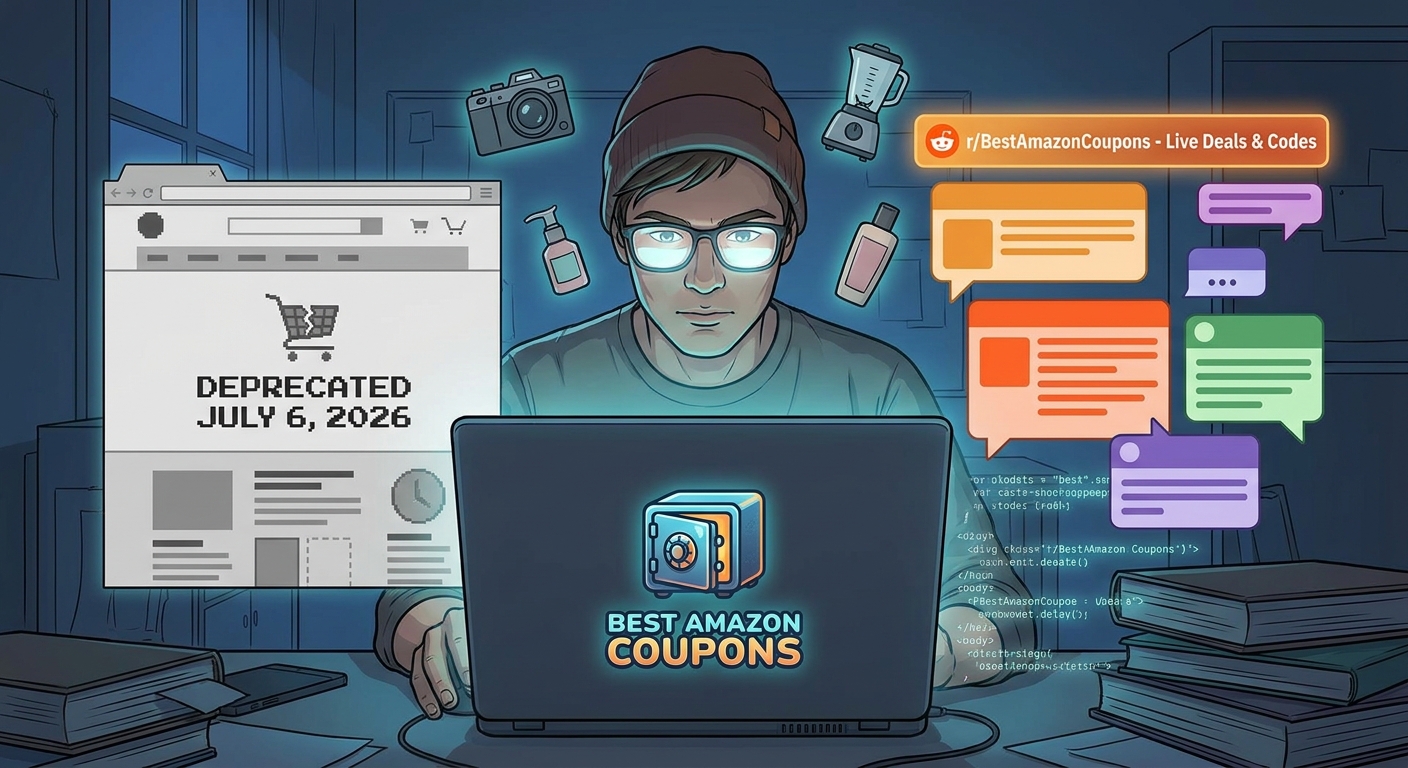
    The odd twist is that the deals did not disappear. They just scattered. Since Amazon killed its official Promo Codes page on July 6, 2026, active discount chatter has drifted into Reddit threads, niche deal groups, and shopping posts that move fast. The useful change for regular people is Reddit’s newer shopping feed tests, which are starting to organize product posts with clearer tags and searchable labels. That makes the Amazon promo codes Reddit hack 2026 less about hunting random codes and more about tracking live product conversations before the deals expire.

    ⚡ In a Hurry? Key Takeaways

    • Amazon’s old Promo Codes page is gone, so Reddit is becoming one of the fastest places to spot live Amazon discount chatter.
    • Search Reddit by brand, product type, and code words like “coupon,” “checkout,” “clippable,” and “stack” instead of trusting recycled TikTok codes.
    • Never use “code generator” sites or sketchy browser tools. Verify discounts in your cart before checkout and move quickly because many offers die fast.

    What actually happened to Amazon promo codes?

    Amazon quietly removed its official Promo Codes page, and that changed how bargain hunting works almost overnight.

    Before, even if the page was clunky, it acted like a public bulletin board. You could browse active offers, copy a code, and at least feel like you were searching in one place. Now there is no neat front door. Real discounts still exist, but they are often buried in product pages, hidden in seller promotions, mentioned in comments, or shared inside private communities.

    That is why so many public coupon lists feel stale. They are built for search traffic, not for speed. By the time a blog post ranks, half the codes are dead.

    Why Reddit suddenly matters more

    Reddit has always had deal hunters. What changed is the way shopping posts are being surfaced and organized. Instead of endless messy link drops, newer shopping-focused posts are becoming easier to scan by product, brand, and buying intent.

    That matters because promo codes now behave more like live tips than permanent offers. A Reddit thread can show you:

    • Whether the code still works
    • Which color or size variation triggers the discount
    • Whether you need Prime, Subscribe & Save, or a clipped coupon
    • If the offer stacks with a lightning deal or voice promo

    That last point is worth watching. If you are trying to squeeze extra savings out of checkout, you may also want to read The ‘Alexa Cart Whisper’ Hack: How Voice-Only Promos Quietly Beat Prime Day Prices At Checkout, because some of the best discounts no longer live in the obvious places.

    The Amazon promo codes Reddit hack 2026

    This is the simple version. Stop searching for “Amazon promo code” like it is 2019. Start searching for active conversation.

    Step 1: Search by product and problem

    Use Reddit search terms that match how real people post. Good examples:

    • brand name + Amazon coupon
    • product name + checkout code
    • category + stackable coupon
    • Amazon + promo + today
    • seller name + Reddit

    If you only search “Amazon deals,” you will drown in noise. Be specific.

    Step 2: Look for proof, not hype

    The best threads usually include screenshots, exact percentages, item ASINs, or comments from other buyers saying it worked. The worst ones say things like “huge hidden deal” and then dump a shortened link.

    Proof beats excitement every time.

    Step 3: Check the listing itself

    Many “codes” are not really public coupon codes anymore. They can be:

    • On-page clippable coupons
    • Seller promotions shown under the price
    • Multi-buy offers
    • Prime-only discounts
    • Invite or targeted offers

    So when Reddit points you to a product, look carefully at the listing before assuming the post is wrong.

    Step 4: Test in cart immediately

    Do not save it for later. Add the item to your cart and see what changes. Fast-moving Amazon promos can vanish in hours, and sometimes in minutes if inventory triggers the end of the deal.

    Why TikTok and old coupon blogs are failing people right now

    The problem is speed and context.

    TikTok is great at making a deal look exciting. It is not great at telling you that the code only worked on the blue version, only for Prime members, and only before lunch. Deal blogs have the same issue. Many are built around volume, so they repost offers long after the useful part has died.

    Reddit is messy, yes. But it is also where people complain in real time when a discount stops working. That honesty is useful.

    How to spot the junk fast

    There is a lot of fake coupon nonsense floating around now. Here are the red flags.

    Bad signs

    • “Code generator” claims
    • Posts with no product details
    • Affiliate redirects stacked on top of redirects
    • Comments turned off or scrubbed
    • No mention of expiration, seller, or item version

    Good signs

    • Recent timestamps
    • People reporting success in comments
    • Exact product matches
    • Notes about stacking rules
    • Clear mention of whether the discount is clipped, coded, or automatic

    Use a simple routine so you do not waste an hour

    If you want a practical system, use this five-minute check:

    1. Search Reddit for the product or brand plus “coupon” or “promo.”
    2. Sort by new when the product is hot or seasonal.
    3. Open only threads with specifics, not vague hype.
    4. Match the exact Amazon listing, including size and color.
    5. Test in cart right away.

    That is really the new habit. Less blind code copying. More live verification.

    Why this shift may actually help careful shoppers

    It sounds annoying, and in some ways it is. But there is a weird upside.

    When Amazon had a central Promo Codes page, every broad public code got hammered instantly. Now that deals are more fragmented, some of the best ones stay under the radar longer. Smaller brand promos, niche category discounts, and weird stackable offers can survive long enough for alert shoppers to use them.

    The trick is having one place that sorts the signal from the junk. That is the real value in following verified daily deal roundups instead of chasing random “secret code” posts.

    At a Glance: Comparison

    Feature/Aspect Details Verdict
    Old Amazon Promo Codes page Centralized and easy to browse, but now deprecated and no longer the reliable source it once was. Convenient, but effectively gone.
    TikTok and generic coupon blogs Fast to spread deals, but often missing context, full of expired codes, and slow to update failures. Good for ideas, bad for trust.
    Reddit shopping threads and product-tagged posts Messier than a storefront, but far better for live verification, product-specific tips, and real user feedback. Best current hunting ground if you verify carefully.

    Conclusion

    Shoppers are not imagining this. Amazon’s July 6, 2026 removal of its Promo Codes page really did push the best discounts out into the wild. That means the old lazy method of copying whatever code a blog pasted first is much less useful now. The good news is that Reddit’s newer shopping feed features make the chaos easier to search by brand, category, and code-related keywords in real time. If you use that speed wisely, and pair it with a clean verified daily source like Best Amazon Coupons, you can still find the good stuff without stepping on fake generators, dead codes, or spammy affiliate traps. The new game is not harder. It is just different, and a little more live than before.
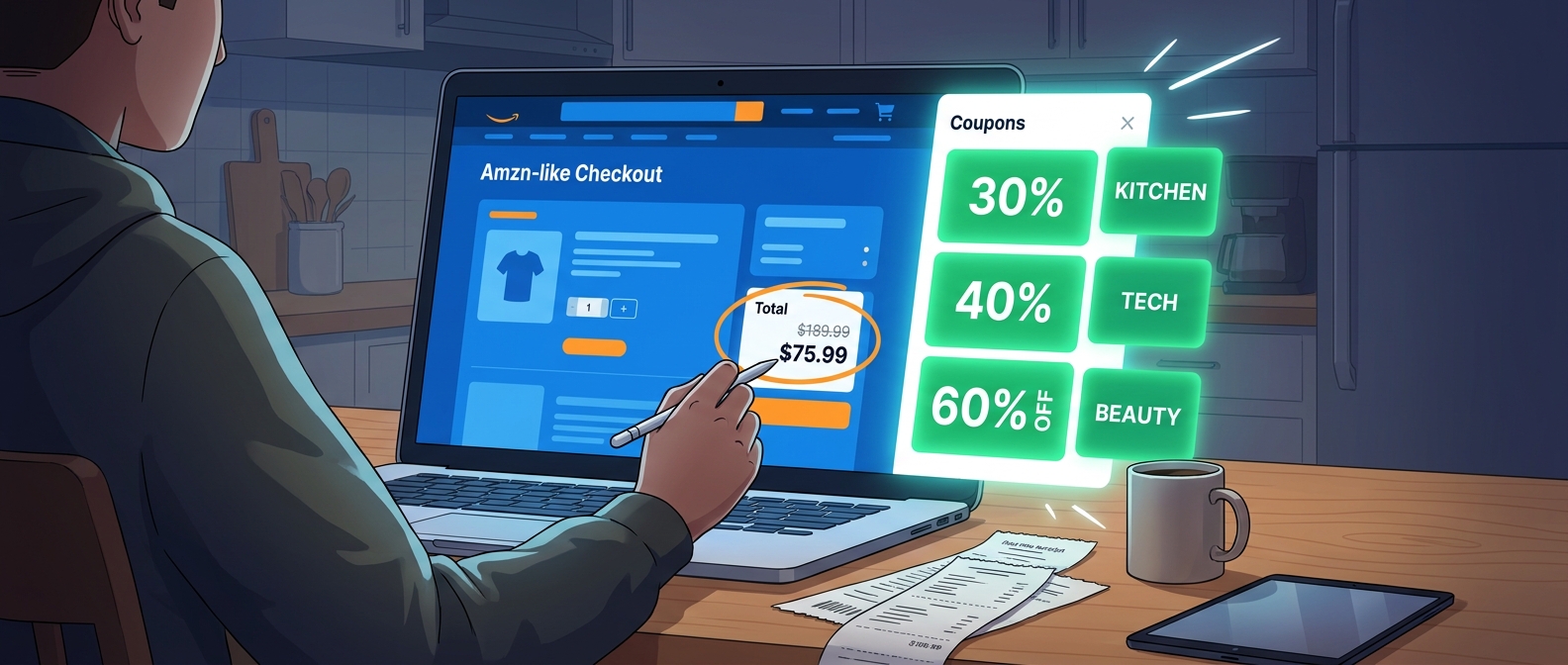
  • The “DealSeek Deep Dive” Hack: How One Free App Turns Random Amazon Browsing Into Hidden 50–90% Off Promo Code Scores

    The “DealSeek Deep Dive” Hack: How One Free App Turns Random Amazon Browsing Into Hidden 50–90% Off Promo Code Scores

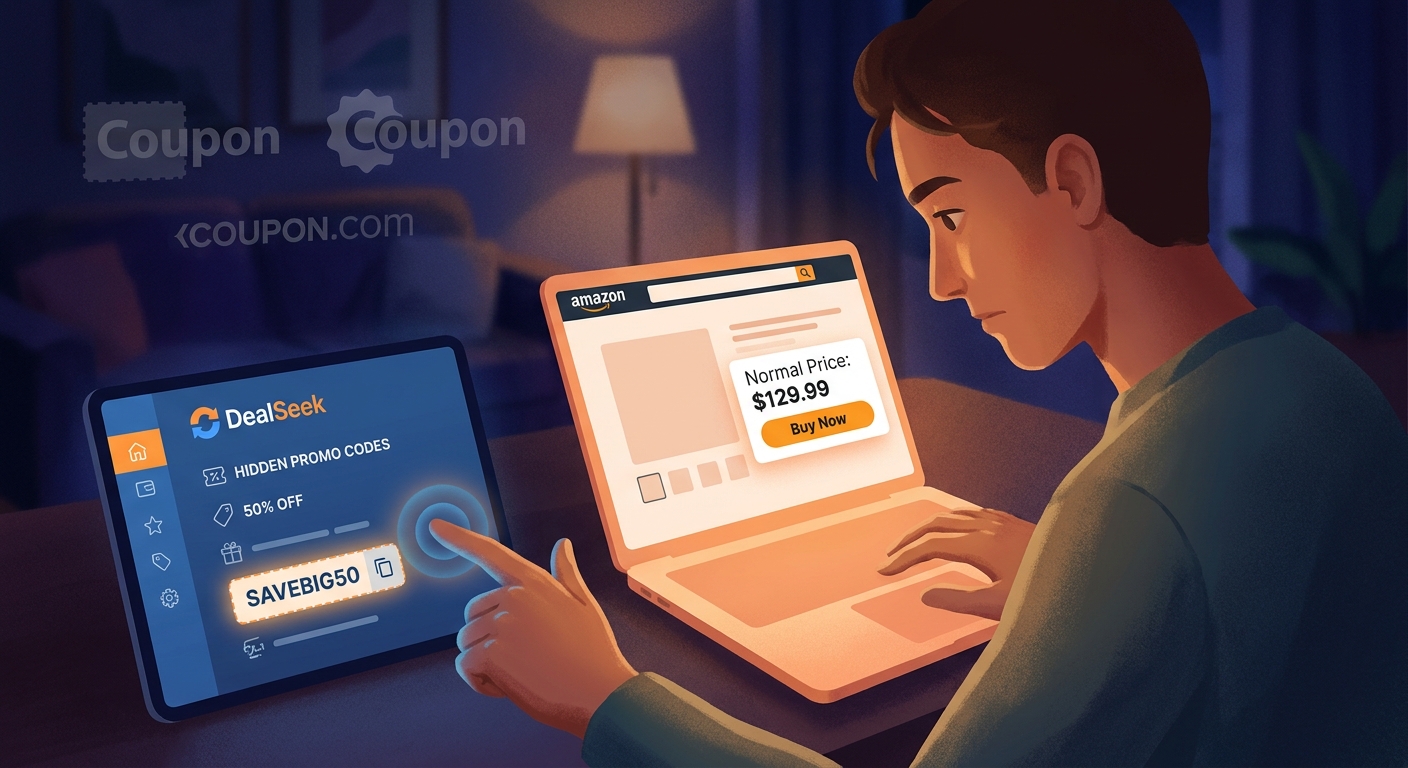
    You are not imagining it. Hunting for Amazon promo codes is usually a time-wasting mess. You see a TikTok promising 70 percent off, you Google the item, and then you land on those terrible coupon sites that look like they were built in 2009 and still somehow have twelve pop-ups. You copy three codes, paste them at checkout, and every single one fails. That is why the DealSeek Amazon secret promo code app hack is getting so much attention right now. It cuts out a lot of the junk and points you toward live promo offers tied to real Amazon listings. The trick, though, is that downloading the app is only half the job. If you do not know how to check the base price first, filter out low-quality listings, and stack the promo with clipped coupons or Lightning Deals, you can still end up buying something that only looks like a bargain. Here is the cleaner, safer way to do it tonight.

    ⚡ In a Hurry? Key Takeaways

    • DealSeek can help you find real Amazon promo codes, but the best results come when you verify the original price before you buy.
    • Start with high-review items, big discounts, and listings that also offer clipped coupons, Lightning Deals, or Prime-only savings.
    • Skip sketchy clone sites and remember that some codes are single-use or expire fast, so failure does not always mean you did something wrong.

    Why this app keeps showing up in your feed

    Social feeds are full of half-explained money-saving tricks. Someone points at a gadget, says there is a “secret code,” and then moves on before telling you where the code actually lives. That has pushed a lot of shoppers toward tools like DealSeek, because it is one of the few names that keeps coming up when people are trying to match live promo codes to actual Amazon products.

    That does not mean every listing inside the app is a magical steal. Some are excellent. Some are just okay. Some are dressed-up markdowns that look better than they are. The app is useful, but the workflow matters more than the app itself.

    The simple version of the DealSeek Amazon secret promo code app hack

    Here is the core idea. Do not start with the code. Start with the item.

    1. Find the product or product type you want on Amazon.
    2. Check whether the current Amazon price already looks inflated or suspicious.
    3. Open DealSeek and go to that same category.
    4. Scan for high-review items with strong discount percentages.
    5. Open the matching Amazon listing.
    6. Clip any on-page coupon first, if there is one.
    7. Add the item to your cart.
    8. Apply the DealSeek code exactly as shown at checkout.
    9. Check the final total before placing the order.

    That sounds basic, but it saves you from the most common mistake. People see “80 percent off” and stop thinking. The real win is the final checkout price, not the flashy discount badge.

    Step 1: Sanity-check the price before you chase any promo code

    This is the part most people skip. They see a giant discount and assume it is real. Bad move.

    Before you even open DealSeek, look at the Amazon listing and ask three quick questions:

    • Does the item have a decent number of reviews?
    • Does the price look in line with similar products?
    • Is the “list price” weirdly high compared with what the item seems worth?

    If a kitchen tool says it is normally $79.99 but every similar item is around $19.99, that “70 percent off” banner may be fake drama. You are not saving money if the starting price was nonsense.

    A quick rule of thumb

    If the final price after promo still does not beat similar items from solid sellers, skip it. A code is not a deal by itself.

    Step 2: Use DealSeek by category, not by random scrolling

    This is where many people lose patience. They download the app, scroll through a giant feed of stuff they do not need, then give up. A better move is to search by category with a shopping target in mind.

    Good categories to start with:

    • Home and kitchen
    • Small electronics
    • Beauty and personal care
    • Pet supplies
    • Storage and organization

    These sections tend to have frequent promo activity, and they are easier to compare with similar items on Amazon.

    If you have been watching those viral “comment DEAL” reels, this is also where it helps to know how people are tracing the listings back to the source. If you want a faster way to decode those posts, read The “DealSeek Shadow Search” Hack: How To Turn Viral ‘Comment DEAL’ Lists Into Real Amazon Promo Codes In 30 Seconds. It pairs nicely with this method.

    Step 3: Filter hard so you do not waste time

    Once you are inside DealSeek, be picky. Very picky.

    What to look for

    • Items with strong review counts
    • Ratings that are solid, not barely above average
    • Discounts that still make sense after looking at similar products
    • Clear promo instructions
    • Listings that link cleanly to Amazon

    What to skip

    • No-name junk with almost no reviews
    • Products with dramatic markdowns but a suspicious base price
    • Confusing promo rules
    • Links that bounce through strange pop-up pages
    • Deals that require too many steps for too little savings

    Your goal is not to find the biggest number. Your goal is to find the safest item with a real final discount.

    Step 4: Stack the savings the right way

    This is the part people miss, and it is where the app gets more useful. DealSeek is often just one layer of the discount.

    The best order to check

    1. Check whether the item is already part of a Lightning Deal.
    2. See if there is a clipped coupon on the Amazon product page.
    3. Look for Prime-only pricing.
    4. Then apply the DealSeek promo code at checkout.

    Not every item allows stacking. Some do. Some do not. But if you fail to look for those extra savings, you can leave real money on the table.

    Example. A gadget may show as $29.99. Then Amazon offers a 20 percent Lightning Deal. Then there is a $5 clipped coupon. Then the DealSeek code takes another 30 percent off the reduced total or the eligible item amount. Suddenly that same gadget lands much closer to $10 or $12 than $29.99.

    That is the real hack. Not just “find code.” It is “layer the discounts in the right order.”

    Step 5: Apply the code correctly so it actually sticks

    This part trips people up all the time.

    Basic checkout checklist

    • Make sure you added the exact item variation tied to the code.
    • Double-check color, size, quantity, or pack count.
    • Clip the coupon before entering the promo code.
    • Paste the code carefully. No extra spaces.
    • Confirm the discount appears before you hit buy.

    Some codes only work on one color. Some only work on one seller. Some only work once per account. If the code fails, it is not always because the app was wrong. It may be because the version in your cart does not match the eligible listing.

    Watch for this common issue

    Amazon sometimes updates a listing after a code starts spreading on social media. The product page still exists, but the seller may switch variations or stock. If the code suddenly dies, back out and re-open the exact listing from DealSeek instead of trying to force it on a lookalike product.

    What to do when a code silently stops working

    This is probably the most annoying failure case because it makes you feel crazy. No warning. No explanation. Just no savings.

    When that happens, try this:

    1. Refresh the cart and re-open the original listing.
    2. Check whether the seller changed.
    3. Make sure the coupon is still clipped.
    4. Remove duplicate quantities if the promo only applies to one unit.
    5. Try a different variation if the deal notes mention specific colors or sizes.
    6. Assume the code may be dead if none of that works after a minute or two.

    Do not spend twenty minutes wrestling it. That is how the fake coupon sites win. Good deal hunting is part speed, part discipline.

    How to avoid clone apps and junk coupon traps

    This is important. Once a shopping tool gets attention, copycats show up fast.

    Red flags

    • Heavy pop-ups before you even see a product
    • Pages that ask for strange permissions
    • Downloads from places other than the official app store
    • Coupon lists with no direct product match
    • Sites that show the same “verified” code for everything

    A real promo workflow should move you from product to code to checkout in a pretty clean line. If it feels like a carnival game, leave.

    How to spot a fake markdown dressed up as a secret promo

    Here is the easiest way to think about it. Ignore the percentage for a second and look at the final number.

    Ask yourself:

    • Would I buy this at the final price if there were no giant red discount banner?
    • Is the final price better than similar items from established brands or sellers?
    • Does the review quality support the purchase?

    If the answer is no, it is not a deal. It is just marketing with extra steps.

    A practical tonight-only workflow you can actually follow

    If you want a no-nonsense routine, use this:

    1. Pick one item category you already planned to shop for.
    2. Open Amazon and note the current prices of two or three similar products.
    3. Open DealSeek and go straight to that category.
    4. Ignore low-review items and dramatic too-good-to-be-true deals.
    5. Tap into a listing that has real reviews and a strong discount.
    6. Open the Amazon page from that listing.
    7. Clip any coupon shown on Amazon.
    8. Check for Lightning Deal or Prime-only pricing.
    9. Add the exact eligible variation to your cart.
    10. Apply the code.
    11. Buy only if the final total clearly beats your earlier comparison.

    That whole process can take five minutes once you get the hang of it.

    When this trick is worth using, and when it is not

    Worth using for

    • Impulse-resistant shoppers who compare before buying
    • Everyday household items
    • Gifts, storage, kitchen tools, beauty extras, and accessories
    • People willing to move quickly on limited-time offers

    Probably not worth using for

    • Big-ticket electronics where warranty and seller quality matter more
    • Anything safety-related that comes from unknown sellers
    • Shoppers who get pulled into buying random stuff just because it is cheap

    A 90 percent discount on something you did not need is still money spent.

    At a Glance: Comparison

    Feature/Aspect Details Verdict
    Finding live promo codes DealSeek is faster and cleaner than random coupon sites because it connects codes to specific Amazon listings. Useful, if you verify the listing first.
    Stacking savings The best results come when you combine the app code with clipped coupons, Lightning Deals, or Prime-only pricing. This is where the real value shows up.
    Risk of fake deals Some listings use inflated starting prices or expired codes, and clone sites can waste your time or feel sketchy. Always compare final price and avoid pop-up-heavy copies.

    Conclusion

    The reason this DealSeek Amazon secret promo code app hack is spreading is simple. It can save real money when you use it with a little discipline. Right now social feeds are exploding with “stop overpaying on Amazon” clips, but most of them leave out the part that matters. You need a workflow, not just an app name. If you quickly sanity-check the base price, jump into the right DealSeek category, scan for high-review and high-discount items, and then stack the code with clipped coupons, Lightning Deals, and Prime-only offers when available, you give yourself a much better shot at a real bargain. And when a code fails, you now know what to do instead of banging your head against the checkout page. That is the difference between smart deal hunting and internet coupon roulette. Start small tonight with one category, one item, and one careful final price check. That alone can save you time, money, and a lot of frustration.

  • The “Secret Coupon Wall” Hack: How Amazon’s Hidden Clip Page Turns Boring Browsing Into Stacked Checkout Discounts

    The “Secret Coupon Wall” Hack: How Amazon’s Hidden Clip Page Turns Boring Browsing Into Stacked Checkout Discounts

    You are not crazy if Amazon shopping feels weirdly inconsistent. One day you spot a nice little green coupon box under a paper towel listing, and the next day you assume there are no deals at all. That is exactly how most people miss the bigger savings. Amazon does show random clip coupons on product pages, but it also keeps a much larger coupon hub tucked away where hundreds of extra offers sit behind category filters, price sorting, and limited-time promotions. Most shoppers never use it like a tool, so they end up paying full price for things they buy all the time. The real amazon secret coupon page hack is simple. Stop waiting for Amazon to show you a deal by accident. Start from the coupon page itself, filter hard, clip first, and then stack those coupons with Subscribe & Save, sale pricing, and occasional checkout promos. It is less flashy than viral deal videos, but it works far more often.

    ⚡ In a Hurry? Key Takeaways

    • The amazon secret coupon page hack is using Amazon’s hidden coupon hub as your starting point, not relying on random green boxes on product listings.
    • Filter by category, sort by discount, clip first, then check whether the item also has a sale price, Subscribe & Save discount, or checkout promo.
    • Coupons are legit because they come from Amazon’s own system, but always confirm the discount appears in your cart before you buy.

    What the “secret coupon wall” actually is

    Amazon has a dedicated coupons page that acts like a giant deal board. It is not really secret in the spy-movie sense. It is just buried enough that most people never build a habit around it.

    Instead, they shop the normal way. Search for dish soap. Click a product. Maybe notice a coupon. Maybe not. That method leaves a lot on the table.

    The better move is to open Amazon’s coupon page first, then browse by department like you are walking into the store through the discount aisle instead of the front door.

    Why it beats random coupon hunting

    When you use the coupon page, you can quickly spot patterns. Maybe kitchen storage has a bunch of 25 percent offers this week. Maybe car cleaning gear is overloaded with clip coupons. Maybe a brand is pushing a deep launch discount.

    That is much more useful than chasing one-off promo codes from social media that may already be dead. If you have ever wasted ten minutes trying a code from TikTok or a coupon blog and got nothing, you will probably enjoy the calmer, more reliable route. We covered that frustration in The “Grocery Glitch Stack” Hack: How TikTok’s Free Food Frenzy Points To Hidden Amazon Checkout Errors, and the same lesson applies here. Start with deals that actually exist inside Amazon’s own system.

    How to find Amazon’s hidden coupon page

    There are a few ways to get there.

    Method 1: Search directly on Amazon

    Type “Amazon coupons” into the Amazon search bar. You will usually see a link to the coupons section.

    Method 2: Use the menu

    On desktop or the app, open the menu and look for “Coupons” under deals or programs. Amazon moves things around sometimes, so the exact spot can change.

    Method 3: Search the web

    Search for “Amazon coupons page” or “amazon secret coupon page hack” and click the Amazon result. Once you find it, bookmark it. That one small step makes a big difference.

    How to use the page the smart way

    This is where the real savings happen. Think of the coupon page as a control panel, not a pile of random discounts.

    Step 1: Pick a category before you get distracted

    Start with categories you actually buy from. Household supplies. Kitchen. Pet supplies. Car gear. Beauty. Home organization.

    If you browse the full wall with no plan, Amazon will tempt you into “saving” money on things you never meant to buy. That is not a win.

    Step 2: Look for percentage discounts first

    A 5 percent coupon on a cheap item might barely matter. A 30 percent or 40 percent coupon on something you already needed is where this gets interesting.

    Many of the best values sit in the 15 percent to 60 percent range, especially with lesser-known brands trying to get attention.

    Step 3: Clip before you compare

    When you see something promising, click the coupon first. Then open the product page in a new tab and compare.

    Why? Because once the coupon is clipped, it is easier to test the final cart math. You want to know the after-coupon price, not just the pretty number on the page.

    Step 4: Check for stack opportunities

    This is the heart of the amazon secret coupon page hack.

    Look for these layers:

    • On-page clip coupon
    • Sale price already applied
    • Subscribe & Save discount
    • Multi-buy offers like “save $5 when you spend $25”
    • Brand promo at checkout

    Not every item will have all of them. But when two or three line up, the final price can drop fast.

    A simple example of a “stack”

    Let’s say you find a kitchen organizer listed at $24.99.

    • There is a 20 percent clip coupon.
    • The item is also on a limited sale, already down from $29.99.
    • There is a 10 percent brand promotion at checkout.

    If all of that applies correctly, you are no longer looking at a basic $5 off coupon. You are looking at a noticeably cheaper final price that a normal product search might not reveal clearly.

    This is why the coupon page matters. It helps you find items that are already “primed” for stacking.

    Best categories to mine first

    Some categories tend to be better coupon territory than others.

    Home and kitchen

    This is usually one of the richest sections. Storage containers, organizers, gadgets, towels, small tools, and cleaning accessories often carry big clip offers.

    Car gear

    Phone mounts, cleaning kits, tire tools, seat organizers, air compressors, and accessory brands often throw around surprisingly generous coupons.

    Household basics

    Trash bags, paper products, cleaning sprays, air fresheners, filters, and pantry staples can be strong when combined with Subscribe & Save.

    Beauty and personal care

    Good if you know your brands and prices. Less good if you impulse buy because the discount badge looks exciting.

    How to avoid fake savings

    This is the part people skip. A coupon is not automatically a bargain.

    Compare the final price, not the claimed discount

    Some sellers inflate the list price, then slap on a coupon so the item looks dramatic. Always compare the final price with similar products from known brands.

    Check item size and quantity

    A 40 percent discount on a tiny refill pack might still be a bad buy if another listing gives you more for less.

    Read recent reviews, not just the star count

    If a product has coupon-heavy marketing but recent complaints about quality, shipping, or misleading sizing, move on.

    Watch for one-time use limits

    Some Amazon coupons are one per account, one per item, or expire quickly. Clip them when ready, but always confirm in cart.

    Your 5-minute coupon routine

    If you want this to save money consistently, make it a habit.

    Minute 1: Open the coupon page

    Use your bookmark. Do not start with a normal search.

    Minute 2: Filter to one useful category

    Pick something you buy often, not something that just looks fun.

    Minute 3: Clip the best 3 to 5 offers

    Focus on stronger percentages and items with decent reviews.

    Minute 4: Open each product and test stack options

    Look for sale prices, Subscribe & Save, and checkout promos.

    Minute 5: Add only the true winners to cart

    If the final price is not clearly better, skip it. Discipline matters here.

    Desktop vs app. Which is better?

    Both work, but desktop is usually easier if you want to compare tabs, sort through categories, and inspect prices without feeling rushed.

    The app is fine for quick clipping, especially if you are already shopping from your phone. But if you are trying to build a stack or compare several listings, a bigger screen wins.

    Common mistakes that ruin the savings

    Buying because the coupon exists

    This is the biggest one. Saving 30 percent on junk is still wasting money.

    Not checking the cart

    Sometimes the coupon does not apply the way you expect because of seller changes, item variation issues, or promo limits.

    Ignoring Subscribe & Save

    For repeat-buy household items, this is often where the real extra discount hides.

    Forgetting to cancel repeats you do not need

    If you use Subscribe & Save just for the initial price drop, set yourself a reminder to review upcoming deliveries.

    Is this “hack” legit?

    Yes. This is not a shady browser trick, fake code, or policy loophole. You are simply using Amazon’s own coupon page the way power shoppers do.

    That said, “hack” here really means smarter shopping behavior. You are organizing what Amazon already offers, then checking whether those offers stack. That is it.

    At a Glance: Comparison

    Feature/Aspect Details Verdict
    Random product-page coupons You only see whatever happens to appear on the listing you clicked. Easy, but incomplete.
    Amazon coupon page filtering Lets you browse hundreds of offers by category and spot stronger discounts faster. Best starting point for deal hunters.
    Coupon stacking potential Some items combine clip coupons with sale prices, Subscribe & Save, and checkout promos. Where the biggest savings usually show up.

    Conclusion

    The best part of this trick is that it is repeatable. You do not need to chase sketchy codes, wait for a viral post, or hope a random green coupon box appears on the exact item you want. Right now, coupon blogs are blasting generic lists of one-off codes while Amazon’s own hidden coupon page is quietly offering up to 60 percent off across categories like kitchen, car gear, and home. Very few people are using it strategically. If you treat that page like a sortable control panel instead of a casual browse, you give yourself a practical system you can use today and every time you open Amazon. Clip first. Compare second. Stack where possible. Then let the cart prove the savings before you check out.

  • The “Gift Card Reload Loop” Hack: How Hidden Reload Bonuses Turn Full‑Price Amazon Orders Into Quiet 20–40% Off

    The “Gift Card Reload Loop” Hack: How Hidden Reload Bonuses Turn Full‑Price Amazon Orders Into Quiet 20–40% Off

    You are not crazy if Amazon discounts feel fake lately. You clip a coupon, open a browser extension, try a promo code from a deal post, and somehow your total barely changes. Meanwhile other people claim they got 30 or 40 percent off on the exact kind of stuff you buy. The annoying truth is that some of the best Amazon savings are not sitting on product pages at all. They are hidden inside gift card reload offers, pay-with-points promos, and tiny account-specific banners that most people never notice. That is where the so-called amazon reload bonus promo code hack comes in. It is less of a hack in the shady sense and more of a smart routine. You check whether Amazon or your card issuer offered you a reload bonus, trigger it, then use that balance or points discount on your real order. Done right, it can quietly turn a full-price cart into a meaningful discount on items you were already going to buy.

    ⚡ In a Hurry? Key Takeaways

    • The “gift card reload loop” works by combining Amazon reload bonuses or pay-with-points offers with your normal purchase, often creating a private 20 to 40 percent discount.
    • Before you shop, check your Amazon gift card reload page, your promotional banners, and any eligible card-linked “use 1 point, save” offers.
    • Stick to official Amazon and bank offers only. This is best for planned purchases, not excuse-making for impulse buys.

    What the “Gift Card Reload Loop” Actually Is

    The name makes it sound more dramatic than it is.

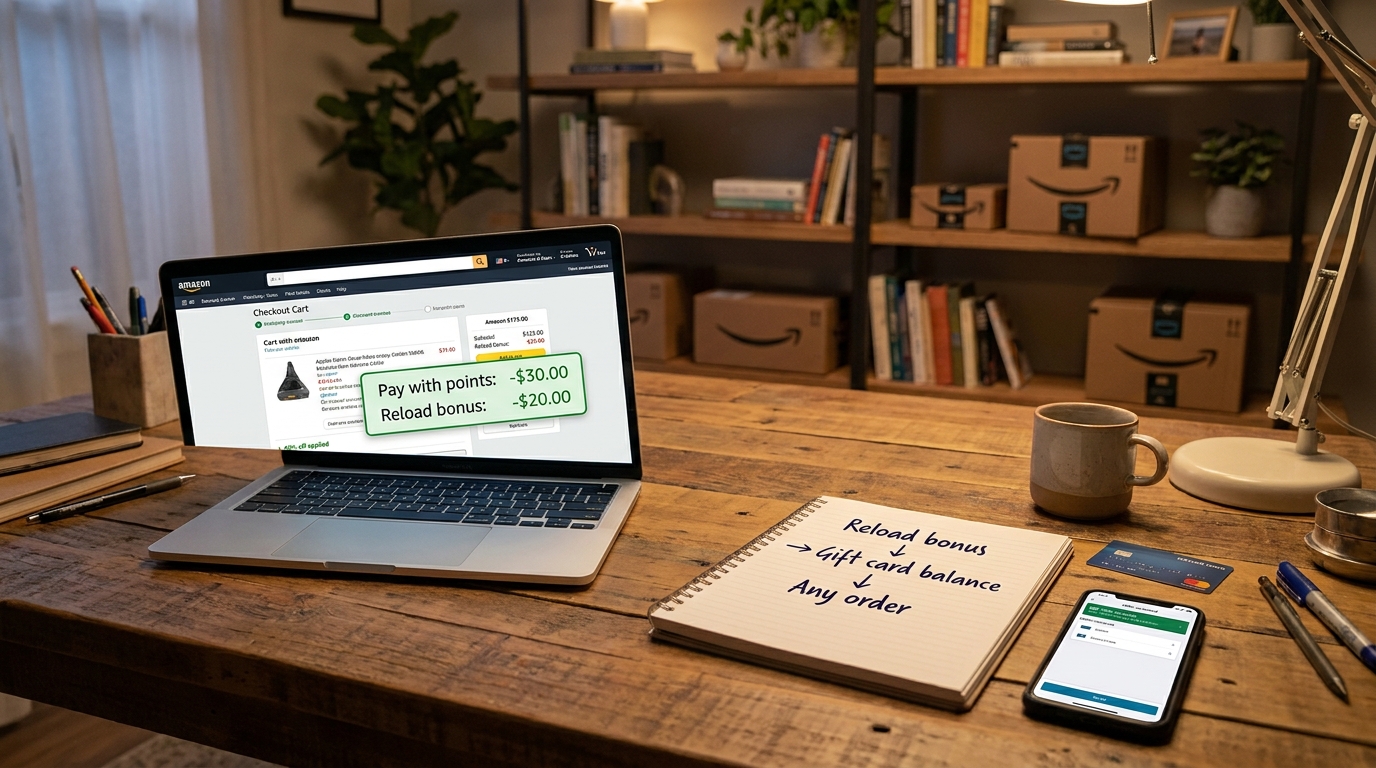
    Here is the basic idea. Amazon sometimes offers a bonus when you reload your gift card balance. Card issuers also sometimes offer a promo where using as little as 1 reward point can unlock a discount on an Amazon order. If you trigger one of those offers first, then place your order using the boosted balance or the points-linked discount, you have effectively made your own promo code.

    That is why this works when public coupon codes do not. These offers are often attached to your account, not to the product listing.

    Why Most Shoppers Miss It

    Amazon does not exactly put a giant banner on every search result saying, “Hey, you personally qualify for extra money.”

    These promos usually show up in quieter places:

    • The gift card reload page
    • Your Amazon messages or promo emails
    • The checkout page after you add an eligible payment method
    • A bank or card rewards page tied to Amazon Shop with Points

    That is why one person swears Amazon has no deals, while another person quietly knocks 25 percent off a boring household order.

    How the Reload Loop Works Step by Step

    1. Check for a reload offer before adding items to cart

    Go to your Amazon gift card balance or reload page and look for language like:

    • Reload $100, get a $10 credit
    • Add funds and earn a bonus
    • Get a promotional credit after your first reload

    Sometimes there is a minimum amount. Sometimes it is only for selected accounts. Sometimes it is only your first reload in a while.

    2. Check for a pay-with-points deal

    This is the other half of the loop that people miss. Card issuers like American Express, Discover, Chase, or Citi sometimes run Amazon offers such as:

    • Use 1 point, get 20 percent off
    • Use at least 1 Membership Rewards point, save up to $50
    • Use rewards at checkout, get up to 40 percent off eligible items

    The best version is the one-point trick. You use the smallest amount of points possible just to trigger the discount.

    3. Link the right card and activate the offer

    If your card rewards account is eligible, make sure that card is connected to your Amazon account. Then check the offer terms carefully. Some are account-wide. Some only work on sold-by-Amazon items. Some exclude gift cards, digital purchases, or subscriptions.

    4. Reload only what you can use soon

    This is important. The smart move is to reload an amount you know you will spend on Amazon anyway, not a random giant number because the word “bonus” made your pulse go up.

    If you normally spend $50 to $150 a month on household stuff, pet supplies, batteries, or school items, keep the reload in that neighborhood.

    5. Pay using the bonus path

    Now place your order. Use the gift card balance you just loaded, or apply the minimum reward points needed to unlock the discount. That is the loop. Trigger benefit first, buy second.

    A Real-World Example

    Let’s say Amazon offers you a reload deal: add $100, get a $10 bonus credit.

    Then your card issuer gives you a pay-with-points promo: use 1 point, get 20 percent off up to $20.

    You buy $100 of things you already needed.

    • You reload $100 and get $10 extra value
    • You place a $100 order and get $20 off through the points promo
    • Your effective savings can reach $30 on a $100 planned spend

    That is where people start talking about 20 to 40 percent off. Not every account gets every offer, and not every category qualifies, but the math can be very real.

    Where to Look for These Hidden Offers

    If you want to try the amazon reload bonus promo code hack without wasting an hour, start here:

    • Amazon Gift Card Reload page
    • Your Amazon account messages and promotional emails
    • The “Shop with Points” section after linking an eligible rewards card
    • Your card issuer’s rewards portal
    • The checkout page, especially payment and promo sections

    Do not assume no banner means no offer. Sometimes the offer appears only after your eligible card is linked.

    How to Build a Reusable Routine

    The best part of this trick is that it is repeatable.

    Before any medium or big Amazon order, run this quick checklist:

    1. Check gift card reload offers.
    2. Check Shop with Points offers.
    3. Add only items sold or fulfilled in ways that match the promo terms.
    4. Test the discount in cart before placing the order.
    5. Screenshot the offer in case the credit posts later.

    That turns random luck into a habit.

    If you like stacking methods, this pairs nicely with The “Cashback Ladder Stack” Hack: How To Turn One Amazon Order Into 3 Hidden Rebates In 5 Minutes, especially when a public coupon is weak but account-based promos are strong.

    Common Gotchas That Kill the Discount

    Eligible items matter

    Some pay-with-points promos only work on items shipped and sold by Amazon. Marketplace sellers may not qualify.

    The discount cap matters

    “Save 40 percent” sounds huge until you see the cap is $20 or $30. Still useful, but know the ceiling.

    Gift card reload bonuses can post later

    Sometimes the bonus is instant. Sometimes it lands as a separate promotional credit after the reload is complete.

    Rewards points can be a bad value if overused

    If your points are worth more when used for travel or statement credits, only use the minimum amount required to trigger the Amazon offer.

    These offers are often targeted

    Your friend may get 40 percent off while you get nothing, or vice versa. That is normal, frustrating, and very Amazon.

    Is This Safe and Legit?

    Yes, if you stick to official offers shown by Amazon or your card issuer.

    This is not about weird third-party codes, coupon generators, or sketchy browser pop-ups. It is just using the promos already tied to your account in a smarter order.

    The only real risk is behavioral, not technical. If a bonus makes you buy more than you planned, the “deal” stops being a deal.

    When This Trick Is Worth It, and When It Is Not

    Worth it

    • You already have a planned Amazon order
    • You regularly buy essentials on Amazon
    • You find a one-point promo or a meaningful reload bonus
    • You are tired of fake coupon lists and want something real

    Not worth it

    • You would not normally spend that money on Amazon
    • The reload amount is too high for your budget
    • The promo only applies to stuff you do not need
    • You would burn valuable rewards points beyond the minimum trigger amount

    At a Glance: Comparison

    Feature/Aspect Details Verdict
    Gift card reload bonuses Targeted Amazon offers that add bonus credit or value when you reload a set amount. Great if you already spend on Amazon and keep the reload modest.
    Pay-with-points promos Card-linked discounts like “use 1 point, save up to 40 percent,” often capped at a dollar limit. Usually the best value when you use the minimum points needed.
    Combined reload loop Checking both offers before checkout can create a private discount stack on everyday orders. Best overall move for shoppers who want real savings without chasing flaky promo codes.

    Conclusion

    If Amazon has felt stingy lately, this is one of the few tricks that still feels grounded in reality. Right now Amazon and major card issuers are quietly handing out fresh reload and pay-with-points promos like “use 1 point, save up to 40 percent” or “reload and get an extra bonus credit,” but most shoppers never see them because they are buried in small banners and emails instead of on the product pages where people actually look. Once you get in the habit of checking for these first, you are basically making your own private promo code that works on a lot more than the flashy deal posts do. And in a week full of fake code lists and creator promos that disappear before checkout, building a simple reload loop that quietly cuts 20 to 40 percent off a real cart is about as close to an easy win as online shopping gets.

  • The “Internet Famous Filter” Hack: How Amazon’s Hidden TikTok Storefront Quietly Hides Extra Promo Codes

    The “Internet Famous Filter” Hack: How Amazon’s Hidden TikTok Storefront Quietly Hides Extra Promo Codes

    You are not imagining it. You click a TikTok-viral gadget on Amazon, see a flashy product page, and somehow the price still looks weirdly full. Maybe there is a tiny checkbox coupon hiding under the price. Maybe there is nothing at all. Meanwhile, the comments on social media make it sound like everyone else got some magic deal you missed. That frustration is exactly why this Amazon Internet Famous TikTok promo code hack matters. Amazon’s newer “Internet Famous” hub is not just a trend wall. It can be a starting point for finding alternate listings, seller storefront deals, and creator-posted codes that do not always show up on the first page you land on. The trick is simple. Do not stop at the viral page. Start there, then branch out. That small change can turn a full-price impulse buy into a much more organized deal hunt.

    ⚡ In a Hurry? Key Takeaways

    • The “Internet Famous” hub can reveal viral products, but the best discounts often appear only after you search the same item through regular Amazon results, storefronts, or creator posts.
    • Check for three layers of savings on the same product: price drop, on-page coupon checkbox, and a social or storefront promo code.
    • Stick to codes shown on Amazon, brand storefronts, or the creator’s own social pages. Skip random coupon sites that look spammy or ask for strange permissions.

    What the “Internet Famous” hub really is

    Amazon’s “Internet Famous” section is basically a shortcut to products that are already getting attention on TikTok and other social apps. That is why it feels familiar when you browse it. You have probably already seen the heatless curlers, mini label makers, LED desk lights, stain removers, and oddly specific kitchen tools there.

    Most people use this page like a digital window-shopping board. They scroll, tap, and either buy or move on. That is the mistake.

    If you treat the hub as your first clue instead of your final stop, it becomes much more useful. It tells you what item is trending. Then you can go find where Amazon or the seller may be hiding the better discount.

    Why the viral page is not always the cheapest page

    This is where things get interesting. On Amazon, the first listing you see is not always the only listing for that product. It is sometimes not even the best one.

    Sellers can test different offers across variations, bundles, colors, and even separate listings that look nearly identical. One version may have a 10 percent coupon box. Another might be sitting at a lower base price. A third may be linked from a creator storefront with a promo code in the caption or image tiles.

    That means the TikTok-facing product page can act like the front door, while the real discount is hiding around the side.

    The “reverse the flow” method

    Here is the repeatable part of the Amazon Internet Famous TikTok promo code hack. Start with the viral hub, but do not buy from that page right away.

    Step 1: Open the product from the Internet Famous hub

    Use the hub to identify the exact item, brand name, seller name, size, and color. Those details matter because they help you search more accurately later.

    Step 2: Copy the product name and search it in regular Amazon search

    Now search the same item the normal way. Try the brand plus the product type, not just the long official title. For example, search “Brand mini printer” instead of the entire headline.

    You may spot:

    • A duplicate or near-duplicate listing
    • A different color with a better coupon
    • A bundle that ends up cheaper per item
    • A storefront feature page with a code banner

    Step 3: Tap the brand storefront

    If the listing has a brand link, open it. Storefronts often group products into deal sections that do not always appear clearly from the viral page. Some brands also use storefront graphics to advertise limited promo codes, especially after major shopping events when they want to keep social traffic warm.

    Step 4: Check the creator or influencer source

    If the product came from TikTok, Instagram, or a creator’s Amazon storefront, look at the creator’s recent posts. Sometimes the code is not on Amazon at all. It is in the social caption, comment reply, Linktree, or storefront banner.

    This is one reason shoppers feel like “everyone else” got a better deal. The discount was real. It just was not sitting in the most obvious spot.

    Step 5: Stack what you can

    Look for three separate discount layers:

    • Lower base price
    • Clip-on coupon checkbox
    • Promo code at checkout or on a creator page

    Not every product allows stacking, but enough do that it is worth checking every time.

    Where hidden discounts usually show up

    Amazon does not always make deals easy to see. Here are the most common hiding spots.

    1. The tiny coupon checkbox under the price

    This one is easy to miss, especially on mobile. It can appear in small text with wording like “Save 15%” or “Apply $5 coupon.” If you are moving too fast, you skip right over it.

    2. Alternate colors or sizes

    One color may have a coupon while another does not. Annoying, yes. But if you do not care whether your desk fan is sage green or white, this is easy money.

    3. The seller’s storefront page

    Brands sometimes run promo blocks or themed collections with discounts that are easier to find there than on the main listing.

    4. Social-only creator codes

    These are often short-lived and may only appear in a recent TikTok caption, pinned comment, or Instagram story highlight.

    5. Subscribe & Save on repeat-buy items

    For things like cleaning pods, supplements, beauty basics, or pet items, Subscribe & Save can stack with a coupon. Just remember to cancel later if you do not need repeat shipments.

    How to tell if you found the same item or a lookalike

    This part matters because social shopping is full of close-enough clones.

    Before you assume two listings are identical, check these details:

    • Brand name
    • Seller name
    • Model number
    • Included accessories
    • Size or capacity
    • Review count and review photos

    If the “cheaper version” is actually missing a case, charger, refill pack, or warranty support, it is not a real deal. It is just a stripped-down listing.

    Post-Prime Day is the sweet spot for this trick

    Right after Prime Day 2026, Amazon has extra reason to keep shoppers in buying mode. Brands still want momentum. Influencers still want clicks. Amazon still wants that social traffic flowing.

    That creates a messy but useful window for bargain hunters. Sellers may test smaller coupons, silent markdowns, and creator-specific codes after the big event ends. Those offers often fly under the radar because the major deal roundups are already moving on.

    In plain English, this is when the leftovers can get interesting.

    A quick example of how the hack works

    Let’s say you spot a viral ice roller in the Internet Famous hub for $24.99.

    You open the listing and see no obvious deal.

    Now you search the product name manually. A second listing from the same brand appears at $22.99 with a 10 percent coupon box. Then you click the brand storefront and find a “summer skin care picks” banner that mentions an extra code. Finally, you check the creator who posted about it and see the code in a pinned comment.

    Maybe the code stacks, maybe it does not. But instead of assuming the first listing was the final price, you gave yourself three more chances to save.

    Use Amazon’s own tools to do some of the work

    If you are tired of manually testing questionable codes one by one, pair this trick with Amazon’s own checkout process. Add the item after clipping any coupon, then test the code at checkout.

    If you want a faster way to check whether codes are dead or still active, this is a good moment to read The ‘Auto‑Apply Cart Sweep’ Hack: How To Make Amazon Test Every Hidden Promo Code For You In 30 Seconds. It fits nicely with the viral-product method because it saves you from wasting time on expired promo codes.

    Red flags to watch for

    Not every “deal” is a deal. A few things should make you pause.

    Fake strike-through pricing

    If the “original price” looks inflated and the current price is what the item seems to cost every week, the savings are mostly for show.

    Off-platform coupon sites

    If a site looks sketchy, floods you with pop-ups, or asks you to install extensions, back out. A deal is not worth turning your browser into a mess.

    Listings with weak reviews or suspicious review patterns

    A low price does not help if the item arrives flimsy, wrong, or clearly not as shown in the videos.

    Codes that only work after extra spending

    Read the terms. Some codes only apply if you buy two items, spend over a minimum amount, or choose a non-obvious variation.

    Best product categories for this hack

    This method tends to work best in categories that live and die by social buzz:

    • Beauty tools
    • Kitchen gadgets
    • Cleaning helpers
    • Desk accessories
    • Phone add-ons
    • Storage and organization items
    • Pet gadgets

    Why these? Because brands in these areas often push hard through creators, which means more chance of storefront promos, creator codes, and listing experiments.

    At a Glance: Comparison

    Feature/Aspect Details Verdict
    Internet Famous hub Great for spotting trending products fast, but not always the cheapest route to buy them. Use it as a starting point, not the checkout page.
    Regular Amazon search and storefronts Can reveal alternate listings, better coupons, color-specific deals, and brand promo pages. Usually the best place to find hidden savings.
    Creator social posts Often where short-term promo codes live, especially in captions, comments, and bio links. Worth checking, but verify the code before you build your cart around it.

    Conclusion

    The big takeaway is simple. Amazon’s “Internet Famous” page looks like a fun trend feed, but it can work much better as a promo map. Right after Prime Day 2026, when Amazon is pushing influencer traffic hard, there is a real chance that the first viral listing you see is not the best-priced version of that item. By starting at the hub and then jumping into regular search, storefronts, and creator posts, you give yourself a better shot at finding extra coupons, stacking a small on-page discount with a price drop, or catching social-only codes that never make the big deal blogs. If you are tired of fake sale tags and mystery pricing, this is the practical part. You now have a repeatable system. Use the viral page to discover the item. Then do the extra minute of digging before you buy. That is where the real savings usually start.

  • The “Grocery Glitch Stack” Hack: How TikTok’s Free Food Frenzy Points To Hidden Amazon Checkout Errors

    The “Grocery Glitch Stack” Hack: How TikTok’s Free Food Frenzy Points To Hidden Amazon Checkout Errors

    You are not imagining it. Those TikToks about nearly free groceries and mystery checkout wins are exciting, but they also waste a lot of people’s time. By the time most “glitch” videos spread, the deal is gone, the code never worked for everyone, or the creator left out the one detail that made it work. That is why chasing random posts for an amazon promo code glitch usually ends in frustration. The better move is to stop hunting rumors and start checking for a few specific types of Amazon pricing mistakes that sometimes stack by accident. These are usually not magic codes. They are small system misfires, like a coupon combining with Subscribe and Save, a category promo applying too broadly, or a buy-more-save-more deal hitting items it should not. If you know where to look and how to test safely, you can spot real checkout errors without falling for fake screenshots or stale social hype.

    ⚡ In a Hurry? Key Takeaways

    • Most real Amazon “glitches” are not secret codes. They are accidental stacks between coupons, Subscribe and Save, multi-buy promos, and payment offers.
    • The safest way to test is to build a small cart, apply every visible discount one at a time, and compare the final checkout total before placing an order.
    • Do not buy junk just because the math looks wild. Focus on groceries and household basics you already use, and always assume the deal could vanish fast.

    Why these grocery “glitches” happen in the first place

    Amazon runs a lot of promotions at once. Manufacturer coupons. Amazon-funded discounts. Subscribe and Save savings. Prime-only deals. Category offers. Sometimes even card-linked credits.

    Most of the time, those systems behave. Sometimes they do not.

    That is when an amazon promo code glitch can show up. Not as a hacker trick, but as a normal checkout rule that overlaps with another normal checkout rule in a way Amazon did not seem to expect.

    Think of it like a grocery store cashier who scans a sale item, then a store coupon, then a loyalty discount, and the register shrugs and accepts all three. It is usually rare. It is usually short-lived. But it is very real.

    The three most common “glitch stack” patterns to watch

    1. Clip coupon plus Subscribe and Save

    This is the most common one. You find a pantry or household item with a clip coupon on the product page, then add it through Subscribe and Save. In some cases, both discounts apply cleanly. In better cases, the percentage stack is stronger than it looks because the coupon is taken off before or after the subscription discount in a favorable order.

    It is not always a glitch. Sometimes it is just a good deal. But when the math comes out much lower than the page suggests, that is worth a closer look.

    2. Multi-buy promo plus item coupon

    You will sometimes see things like “Save $15 when you buy $50 of select household items” or “Buy 4, save 20 percent.” If one of those products also has a clippable coupon, the total can dip fast.

    The mistake usually happens when the qualifying threshold still counts the item at full value, but the discount also applies afterward. That can produce an unusually low final total.

    3. Category promo plus payment offer

    This is where things get interesting. Amazon may run a grocery or essentials promotion while your bank or card issuer is also offering cash back or statement credits. That is not always a glitch, but the stack can feel like one.

    If you want to dig into that side of the savings game, this guide on The ‘Bank Card Shuffle’ Hack: How Hidden Issuer Offers Turn Regular Amazon Orders Into Secret Promo-Size Discounts is worth reading. It explains why some of the best discounts are not public promo codes at all.

    A safe, repeatable way to test for a real Amazon checkout error

    This is the part most social posts skip. Here is the simple process.

    Step 1. Start with items you were going to buy anyway

    Do not begin with expensive gadgets or weird filler products. Start with shelf-stable groceries, detergent, paper goods, coffee, pet food, vitamins, or baby supplies. Things you know you will use.

    That way, if the “glitch” turns out to be just a decent sale, you are still fine.

    Step 2. Look for visible discounts on the product page

    Open the listing and scan for:

    • Clippable coupons
    • Subscribe and Save discounts
    • “Buy more, save more” language
    • Prime-exclusive savings
    • Brand promotion banners

    If an item has only one discount, it is probably just a normal sale. If it has two or three different discount types, now you are in useful territory.

    Step 3. Add the item in more than one way

    Test the item as a one-time purchase first. Then test it with Subscribe and Save. Then, if there is a threshold promo, test with the exact quantity needed to trigger it.

    Take screenshots of each subtotal. This matters because Amazon’s cart math can change based on quantity, shipping grouping, and how the offer is worded.

    Step 4. Go all the way to the final checkout screen

    This is where fake “glitches” usually die.

    A lot of social posts show the cart page, not the final total. Amazon often removes or recalculates discounts on the last screen before you place the order. If the low price survives to the final review page, it is much more likely to be real.

    Step 5. Check the discount line items

    Do not just look at the grand total. Look for each discount listed separately. You want to see things like:

    • Coupon savings
    • Subscribe and Save discount
    • Promotional credit
    • Multi-buy savings

    If one discount disappears when another appears, that is not a stack. If all of them remain, you found something useful.

    Step 6. Test with one small order first

    If it works, do not rush into a giant cart. Place one small order. Make sure the confirmation email shows the same price you saw at checkout.

    That is your proof.

    How to tell a real glitch from a fake one fast

    Real signs

    • The item has visible offers on the listing page
    • The low total appears on the final checkout screen
    • The order confirmation matches the discount
    • Other shoppers can repeat it with the same product and setup

    Red flags

    • A screenshot with no product link
    • A “secret code” with no terms
    • A creator says “worked for me” but never shows checkout
    • The item is sold by a sketchy third-party seller with odd pricing
    • The math only works if you count future rewards as instant savings

    That last one trips up a lot of people. A coupon is not the same as a later rebate. A card statement credit is not the same as an immediate price drop. Good savings still count, but they are different things.

    Where Amazon shoppers lose the plot

    The big mistake is assuming every low total is a hidden amazon promo code glitch. Usually, it is one of four things:

    • A regional or account-specific offer
    • A new-customer promotion
    • A limited seller coupon
    • A card-linked discount outside Amazon

    That is also why code-chasing is such a mess. A lot of those deals are valid, just not universal.

    If you are tired of entering promo strings that never work, it helps to think less like a coupon hunter and more like a checkout tester. Watch the math. Watch the stack order. Watch the final total.

    Best product categories for finding mispriced stacks

    Some categories produce these mistakes more often than others.

    Good places to check

    • Coffee and tea
    • Protein bars and snacks
    • Cleaning supplies
    • Diapers and wipes
    • Pet food and treats
    • Vitamins and supplements
    • Toilet paper and paper towels

    These categories tend to have lots of brand promotions running at the same time, which is exactly when stack errors happen.

    Less useful places to check

    • One-off luxury groceries
    • Unknown third-party bundles
    • Listings with constantly shifting prices

    If the normal price is already fuzzy, it is harder to tell whether you found a real bargain or just a fake anchor price.

    How to share a real find without spreading nonsense

    If you do find a legit stack, help other people verify it quickly.

    • Share the exact item link
    • List the coupon and promo details
    • Say whether you used Subscribe and Save
    • Mention if Prime was required
    • Show the final checkout total, not just the cart
    • Say when you tested it

    That last part matters because these deals can die in minutes or hours.

    One more trick people forget

    Sometimes the best “glitch-like” savings are not glitches at all. They come from stacking a regular Amazon promo with an issuer offer on the payment side. That is a cleaner, less risky path than chasing mystery social posts.

    If you have not checked your card-linked offers lately, read The ‘Bank Card Shuffle’ Hack: How Hidden Issuer Offers Turn Regular Amazon Orders Into Secret Promo-Size Discounts. It is one of the few methods that can still work after the viral “glitch” crowd has moved on.

    At a Glance: Comparison

    Feature/Aspect Details Verdict
    Viral “secret code” posts Often expired, account-limited, or missing key terms. Many never show final checkout proof. Low reliability
    Visible coupon plus promo stack testing Uses listed offers you can verify yourself by testing cart, quantity, and final checkout. Best repeatable method
    Payment-card offer stacking Not always instant at checkout, but often real and less crowded than public coupon chatter. Strong backup strategy

    Conclusion

    You do not need to camp on TikTok waiting for someone else to post a miracle cart. Social feeds are packed with talk about grocery checkout glitches and hidden promo errors, which makes normal shoppers feel like they are always late. The better answer is a calm system. Check for visible coupons. Test Subscribe and Save. Trigger threshold promos carefully. Confirm everything on the final checkout page. That gives you something better than hype. It gives you a safe, repeatable way to catch real mistakes, share them quickly, and avoid wasting time on fake “secret codes.” With food and household basics taking a bigger bite out of everyone’s budget, knowing how to spot a genuine pricing stack is one of the most useful shopping skills you can build right now.

  • The “Prime‑Only Lightning Stack” Hack: How To Turn 2 Hidden Deal Toggles Into Extra 20–40% Off Flash Discounts

    The “Prime‑Only Lightning Stack” Hack: How To Turn 2 Hidden Deal Toggles Into Extra 20–40% Off Flash Discounts

    If you have ever clicked into an Amazon Lightning Deal, seen “80% claimed,” and panic-bought before the page changed again, you are not alone. That rushed feeling is exactly how people miss the extra savings. The good news is that some of the best Lightning Deals are not just one discount. They can have a second and even third price cut hiding in plain sight. The trick is knowing where Amazon tucks them.

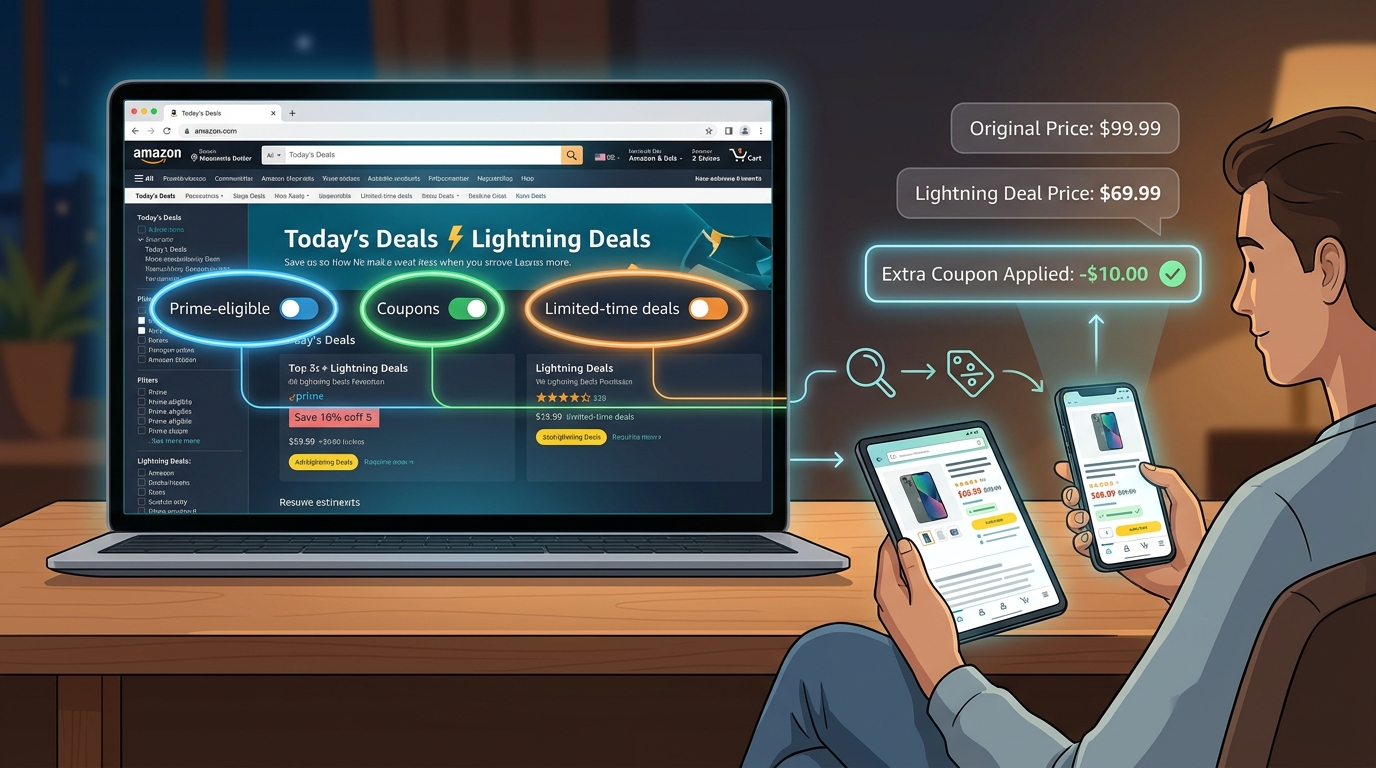
    This “Prime-Only Lightning Stack” method is simple. First, filter for deal items that also have coupons. Then open the product page and refresh once or twice after you sign in with Prime. On some listings, that extra Prime-only discount does not fully show until the page reloads and your account status is recognized. If you do it in the right order, you can stack a Lightning Deal, a clickable coupon, and a Prime-exclusive price for an extra 20 to 40 percent off what already looked like the sale price.

    ⚡ In a Hurry? Key Takeaways

    • Yes, you can sometimes stack Amazon Lightning Deals with coupons and Prime-only discounts on the same item.
    • Start in Lightning Deals or “Started Today,” look for coupon-eligible listings, then refresh the product page while signed into Prime before adding to cart.
    • Always verify the final checkout price and coupon checkbox, because not every listing stacks and stock can vanish fast.

    Why this works

    Amazon does not always show every promo in one neat little box. One badge may appear on the deals page. Another may show on the product page. A third may appear only for Prime members after sign-in.

    That is why so many people think the listed Lightning Deal price is the end of the story. It often is not.

    When shoppers ask how to stack Amazon Lightning Deals with coupons, the real answer is less “secret hack” and more “use the page the way Amazon built it, but in the right order.” You are not breaking anything. You are just making sure all the available discounts actually load before you buy.

    The 2 hidden deal toggles to look for

    1. The coupon toggle

    This is the green checkbox or “Apply coupon” button on the product page. Sometimes it shows as a dollar amount off. Sometimes it is a percent off.

    The catch is that many shoppers never filter for these items up front. They scroll the Lightning Deals page, click randomly, and miss products where a coupon is waiting on the listing.

    2. The Prime-only price toggle

    This is the Prime-exclusive discount that can appear below the main price, near the deal box, or in a small line of text after the page fully reloads.

    It does not always show immediately. If you are not signed in, or if the page loaded before Amazon recognized your Prime status, you may only see the standard deal price at first.

    The step-by-step system that works tonight

    Step 1: Start in Lightning Deals or “Started Today”

    Go to Amazon’s deals section and focus on Lightning Deals and “Started Today” offers. Right now, post-Prime cleanup sales are where a lot of these stackable listings are hiding.

    If you like hunting discounts this way, you would probably also like The “Double Dip Deal Page” Hack: How To Turn Amazon’s Own Coupon Hub Into A Secret Promo Code Mine, because it pairs nicely with this method.

    Step 2: Filter for coupon-eligible items

    On the deals page, look for filters that narrow results to items with coupons, Prime access, or specific departments where stacking is common, like home, electronics accessories, personal care, and kitchen gadgets.

    If Amazon is not showing a clean coupon filter on your device, use the visual clues. Look for tags like:

    • “Coupon”
    • “Extra savings”
    • “Prime exclusive”
    • “Redeem”

    The point is to stop clicking every shiny deal and start clicking only the ones with a second discount path.

    Step 3: Open the product page and sign in first

    Before you do anything else, make sure you are signed into the Prime account you plan to use. This matters because the extra Prime-only price can be account-based.

    If you are browsing signed out, the page may not fully reveal the lower price.

    Step 4: Refresh the page once or twice

    This is the part most people skip. After the product page opens, refresh it. Then look again at the buy box, the price area, and the coupon section.

    Why refresh? Because Amazon sometimes loads one promo first and the account-specific promo second. A manual refresh can surface the Prime-exclusive discount that did not appear on first load.

    No magic here. Just a very annoying quirk that can work in your favor.

    Step 5: Clip the coupon before adding to cart

    Make sure the coupon box is checked. If you add the item to your cart first and rush to checkout, it is easy to miss this step.

    That little missed checkbox is where a lot of the “I thought it was cheaper” frustration comes from.

    Step 6: Check the cart and final checkout screen

    Once in cart, verify all the discounts are still active:

    • Lightning Deal price
    • Prime-exclusive price or discount
    • Clipped coupon deduction

    If one disappeared, do not assume it will come back. Lightning Deal inventory changes fast, and some coupons can expire before checkout.

    Where this stacking shows up most often

    You are more likely to find this on items where sellers are trying to clear stock after a major event like Prime Day. That usually means products that were heavily promoted but still have inventory left.

    Common categories include:

    • Phone chargers and cables
    • Bluetooth earbuds
    • Smart home accessories
    • Kitchen tools
    • Small personal care devices
    • Office gadgets

    These categories tend to have a mix of seller coupons, Prime-only offers, and temporary Lightning Deal pricing all at once.

    What this is not

    This is not a loophole that beats Amazon’s system. It is not a browser exploit. It is not one of those sketchy social media tricks where people say to switch ZIP codes and clear cookies for “secret prices.”

    It is simply a better way to read the page before you buy.

    Common mistakes that cost you the extra discount

    Adding to cart too fast

    Fast is not always smart. If you add to cart before clipping the coupon or before the Prime price loads, you may lock yourself into a worse price.

    Assuming every Lightning Deal stacks

    Some do. Some do not. Always verify.

    Looking only at the big price

    The largest number on the page is not always the final number that matters. Small text can save you more money than the bold deal banner.

    Forgetting the deal claim meter

    If a deal is almost fully claimed, move quickly once you confirm the stack works. This is one of the few times “wait and think about it” can cost you.

    How to stay calm when Lightning Deals feel chaotic

    The biggest benefit of this method is not just the money. It is that it stops the panic-scrolling.

    Instead of chasing every countdown timer, you use a checklist:

    1. Is it a Lightning Deal or Started Today offer?
    2. Does it show signs of a coupon?
    3. Am I signed into Prime?
    4. Did I refresh the page?
    5. Did I clip the coupon?
    6. Did the final cart price actually drop?

    That is a much better shopping habit than hoping the first price you see is the best one.

    At a Glance: Comparison

    Feature/Aspect Details Verdict
    Lightning Deal only Fast and easy, but often just the base sale price with no extra savings applied. Good, but rarely the best possible price.
    Lightning Deal + coupon Requires clipping the coupon on the product page before checkout. Often worth the extra 10 to 25 percent off.
    Lightning Deal + coupon + Prime-only discount Best-case stack. Usually needs Prime sign-in and a page refresh to fully appear. This is the sweet spot, and where the extra 20 to 40 percent can show up.

    Conclusion

    Amazon is still in that messy but useful post-Prime cleanup phase, and that is exactly why this works so well right now. Lightning Deals and “Started Today” offers are full of overlapping promos that many shoppers never see because they click too fast. If you filter for coupon-ready items, sign into Prime, refresh the product page, and confirm the final cart price before checking out, you give yourself a real shot at stacking discounts that can cut another 20 to 40 percent off. That is not theory. That is a practical, tonight-only kind of savings move. The next time Amazon tries to rush you, slow down for 20 seconds and make the page show you everything.

  • The “Triple Stack Subscribe” Hack: How To Turn One Boring Refill Into 30–45% Off On Auto‑Ship Essentials

    The “Triple Stack Subscribe” Hack: How To Turn One Boring Refill Into 30–45% Off On Auto‑Ship Essentials

    If you have ever hit Subscribe & Save on Amazon, felt pretty smart about the little discount, and moved on, you are not alone. Most people do exactly that. The annoying part is that Amazon often hides the real savings in three separate places. There is the regular Subscribe & Save discount, the bigger discount that kicks in when you get five or more subscriptions in one delivery, and the clipped coupon sitting on the product page. Miss even one of those, and you can end up paying a lot more than you needed to for stuff like laundry detergent, coffee pods, pet food, vitamins, and pantry basics. The good news is this is not a weird loophole or some risky coupon trick. It is just a matter of lining things up in the right order. Once you know how to stack Amazon Subscribe & Save coupons, the monthly savings can jump fast.

    ⚡ In a Hurry? Key Takeaways

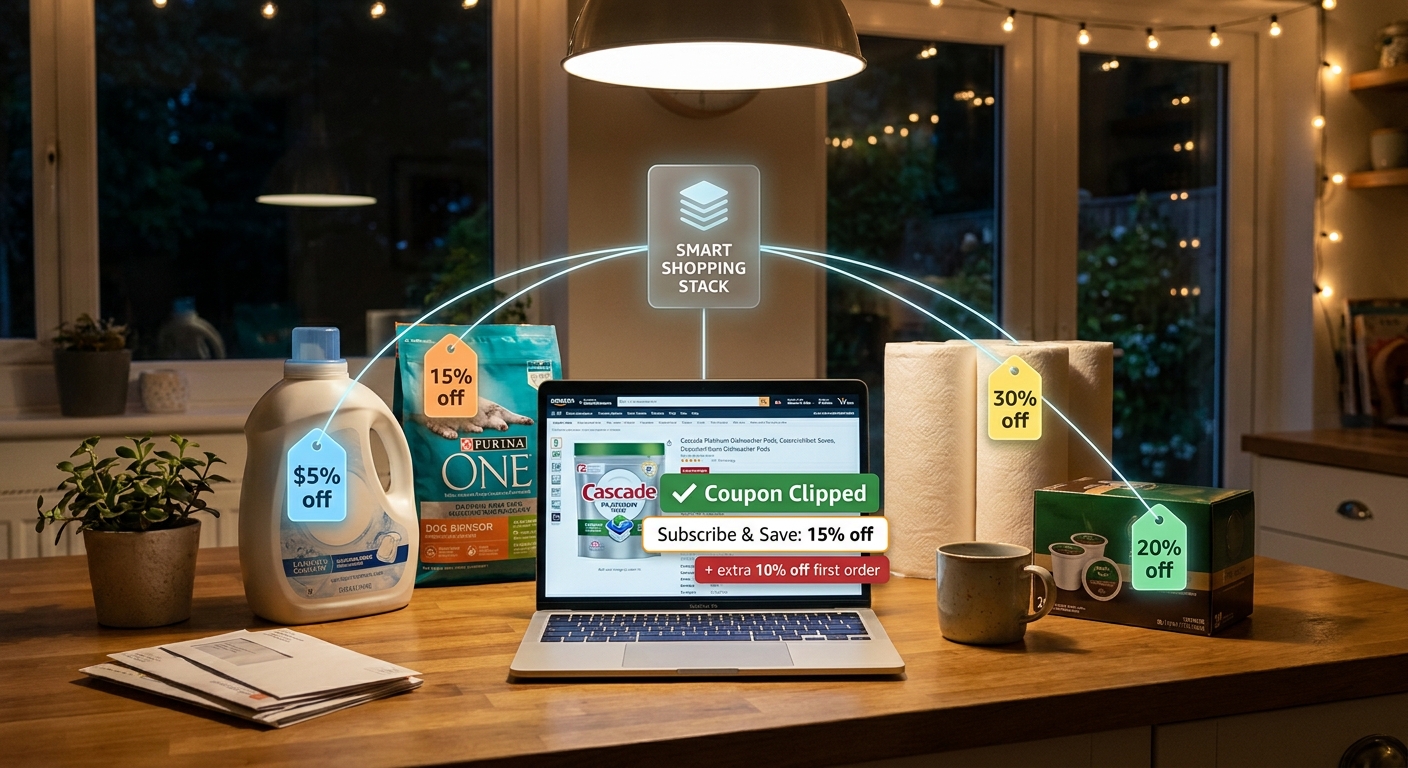
    • Yes, you can stack the base Subscribe & Save discount, the 5-item monthly discount, and clipped on-page coupons on eligible items.
    • Build one delivery with at least five subscriptions, clip every coupon before checkout, and watch for first-time subscriber offers on basics.
    • Check the final price in your upcoming delivery screen, because prices and coupons can change, and you can skip, cancel, or change frequency after the discount locks in.

    What the “Triple Stack Subscribe” hack actually is

    This is less of a hack and more of a smart shopping routine.

    The “triple stack” means you combine three discount layers on the same order when Amazon allows it:

    • The normal Subscribe & Save discount, often 5 percent.
    • The higher monthly discount that can jump to 15 percent when you have five or more subscriptions in one delivery, depending on the category.
    • A clipped coupon on the product page, such as 10 percent off, 20 percent off, or a flat dollar amount.

    Sometimes there is a bonus fourth layer if Amazon is pushing a first-time subscription deal on a specific item or brand. That is where the biggest savings usually show up.

    How to stack Amazon Subscribe and Save coupons step by step

    Step 1: Start with items you already buy

    Do not pad your cart with random junk just to hit five items. Start with boring essentials you know you will use. Think detergent, trash bags, toothpaste, protein shakes, cat litter, paper towels, dish soap, and pantry staples.

    The whole point is to lower recurring costs, not to create a future headache in your hallway closet.

    Step 2: Look for products with a visible coupon box

    On the product page, check for the little coupon checkbox under the price. If you see “Save 20%” or “Save $3.00” and the item is also eligible for Subscribe & Save, that is one of your best targets.

    Clip the coupon before you add the item to your subscription. Do not assume Amazon will apply it later. If the coupon is there, click it right away.

    Step 3: Check for “first subscription” language

    This is where many people miss easy money. Some listings quietly show wording like “Save more on your first Subscribe & Save order” or “Extra savings on your first delivery.”

    If you already know you only want one discounted shipment, that can still be useful. You can get the first delivery at the better rate, then later change the frequency, skip the next shipment, or cancel after your order processes.

    That is not shady. It is a standard account setting Amazon gives you.

    Step 4: Build one month with at least five subscriptions

    This is the part that turns a decent deal into a strong one. Amazon often raises the discount when your delivery month contains five or more Subscribe & Save items.

    Important detail. It usually has to be five items in the same delivery cycle, not just five active subscriptions spread across random dates.

    So if you have three items set for the 7th of the month and two set for the 26th, you may not trigger the higher rate. Move them into the same delivery window.

    Step 5: Review the upcoming delivery page

    After you add your items, go to your Subscribe & Save dashboard and inspect the upcoming order. This is where you make sure:

    • The clipped coupons are attached.
    • The delivery month includes at least five items.
    • The discount shown matches what you expected.
    • The total price still makes sense compared with local store prices or one-time Amazon prices.

    Amazon pricing moves around. A giant coupon can sometimes hide the fact that the base price went up.

    What a real savings stack looks like

    Here is a simple example using round numbers.

    • Detergent listed at $20
    • Subscribe & Save base discount of 5 percent brings it to $19
    • Five-item monthly delivery boosts discount to 15 percent, bringing it to $17
    • Clipped coupon gives another 20 percent off, which can bring it down to about $13.60

    If that item also has a first-time subscription bonus, your first shipment could dip even lower.

    This is why people talk about 30 to 45 percent off. It is not guaranteed on every item, but it does happen on the right mix of essentials.

    The smartest way to build your five-item delivery

    If you want the easiest version of this strategy, use a “core plus filler” setup.

    Your core items

    These are products you buy anyway and would be happy to receive every month or every few months. Usually two or three items fit here.

    Your filler items

    These help you reach five items in the same month. Pick small, practical stuff with decent coupons or low total cost. Think gum, snack packs, soap bars, dishwasher tabs, or canned goods you already use.

    After the discount locks in, you can often change future delivery frequencies on the filler items to every three months or six months. You can also skip the next shipment if you stocked up enough.

    Common mistakes that kill the discount

    Forgetting to clip the coupon

    This is the biggest one. If you do not clip it, you do not get it.

    Spreading items across different delivery dates

    Five items only helps if they land in the same Subscribe & Save cycle.

    Not checking the final upcoming order total

    Amazon can swap coupon values, change list prices, or remove offers with little warning.

    Assuming every category gets the same 15 percent boost

    Not always. Some categories or brands stay at lower rates. Check the actual discount shown on each item.

    Keeping overpriced subscriptions just because they look discounted

    A 20 percent discount on an inflated price is still a bad deal. Compare.

    Should you use coupon extensions for this?

    Usually, on-page Amazon coupons are enough for this method. If you do use browser tools, keep them under control. Too many extensions just create noise and can slow down checkout. If that sounds familiar, this guide on The “Secret Extension Filter” Hack: How To Make Coupon Add‑Ons Show You Only Real Amazon Promo Codes is worth a look. It is a good way to avoid the mess of fake or expired promo attempts.

    When to cancel, skip, or change frequency

    A lot of readers worry this part is somehow against the rules. It is not. Subscribe & Save is designed to be flexible.

    Once your discounted order is set, you can usually do one of three things after it ships:

    • Change the frequency if you do not need the item every month.
    • Skip a delivery if you bought too much.
    • Cancel the subscription if the deal was only good the first time.

    Just do not wait until the order is about to process if you still need to make changes. Give yourself a cushion.

    Best categories for this strategy right now

    The strongest stacking chances tend to show up in everyday categories where brands are fighting for repeat orders:

    • Laundry and cleaning supplies
    • Pet food and pet care
    • Vitamins and supplements
    • Coffee, tea, and drink mixes
    • Paper products
    • Snacks and pantry basics
    • Personal care items like shampoo, razors, and toothpaste

    These change constantly, which is why a quick monthly check matters.

    At a Glance: Comparison

    Feature/Aspect Details Verdict
    Base Subscribe & Save discount Usually around 5 percent, sometimes more by category or brand Good starting point, but rarely the best possible deal by itself
    5-item delivery boost Can raise eligible items to 15 percent when five or more subscriptions land in one month This is the key multiplier. Worth organizing your delivery dates
    Clipped and first-time coupons Extra percent-off or dollar-off savings shown on the item page, often strongest on first subscription orders Best source of 30 to 45 percent total savings when paired with the other two layers

    Conclusion

    If you have been treating Subscribe & Save like a one-click afterthought, this is your sign to slow down for five minutes and set it up properly. Right now Amazon is quietly pushing Subscribe & Save and rotating in aggressive first-time and category coupons on basics like detergent, pet food, and pantry items, but almost nobody is lining them up correctly. When you build a 5-item delivery, clip every active coupon, and time the first-subscription bonus, you can cut recurring costs fast without hunting for shady codes or waiting for a big sale event. It is simple, practical, and exactly the kind of small fix that adds up every month.

  • The “Targeted Wallet Trigger” Hack: How Hidden Card‑Link Promos Turn Regular Amazon Checkouts Into Instant $10–$15 Off

    The “Targeted Wallet Trigger” Hack: How Hidden Card‑Link Promos Turn Regular Amazon Checkouts Into Instant $10–$15 Off

    Trying random Amazon promo codes is exhausting. You paste one in, get the little error message, try another, and ten minutes later your cart still costs the same. That is why these hidden wallet-trigger deals matter. Instead of hunting public codes that are already dead, you are looking for account-level offers that can appear after you add the right card to your Amazon wallet. Right now, some shoppers are seeing targeted offers tied to eligible American Express cards, with private checkout codes that knock $10 to $15 off orders they were already going to place. The trick is not magic, and it is not shady. It is simply knowing where Amazon and card issuers hide these promos, then testing whether your account qualifies before you buy. Once you know the pattern, this becomes a fast little routine you can do in about 30 seconds before checkout, and it can save real money on boring everyday purchases.

    ⚡ In a Hurry? Key Takeaways

    • Amazon targeted credit card promo code hack works by adding an eligible card to your Amazon wallet, then testing for private offers that can trigger $10 to $15 off at checkout.
    • Check your Amazon payment settings, promo landing pages, and old Amazon or card emails before buying, because many offers only show up after the right card is linked.
    • Stick to real Amazon checkout pages and official issuer messages. Never pay for “secret codes,” and do not share card details outside Amazon.

    What this “wallet trigger” hack actually is

    Let’s make this simple.

    The so-called amazon targeted credit card promo code hack is not a software trick or a loophole. It is a shopping habit. You add or re-add an eligible credit card to your Amazon account, then check whether that action unlocks a private promotion tied to your account.

    Sometimes the deal is automatic. Sometimes you need a code at checkout. Sometimes Amazon shows a banner on a promo page that says you are eligible after you sign in.

    The key idea is this. The discount is often linked to your wallet setup, not to a public coupon page.

    Why most people never see these offers

    Amazon used to make promo hunting a little easier. Now a lot of the good stuff is buried.

    You might find these offers in:

    • small-print email footers from Amazon
    • American Express or bank offer emails
    • limited promo landing pages that only work when signed in
    • checkout messages after adding a new card
    • targeted account banners that other shoppers never get

    That is why coupon extensions often miss them. They are built to test public codes, not account-specific offers that depend on your payment method.

    The 30-second routine to test for hidden card-link promos

    1. Open your Amazon wallet

    Go to Your Account, then Payment Options. Look at the cards already saved there.

    2. Add an eligible card if you have one

    American Express is the big one people are seeing lately, but other issuers sometimes show up too. Add the card cleanly, even if you think it is already on file. In some cases, removing and re-adding can help refresh eligibility signals.

    3. Search your email for Amazon and card-offer terms

    Use search terms like:

    • Amazon Amex offer
    • Amazon promo code
    • add card get $10 off
    • eligible card Amazon

    Look at the footers, not just the subject line.

    4. Test on a real cart

    Add something you were going to buy anyway. Go to checkout. Enter the promo code if you have one, or look for a message saying the discount was applied.

    5. Stop if it does not work

    Do not force it. These are targeted deals. If your account is not eligible, another person’s code usually will not magically work for you.

    What a real example looks like

    A common version goes like this. Amazon runs a promotion that says eligible shoppers can add a qualifying American Express card and get $10 to $15 off a minimum purchase after entering a private code.

    You sign in. Add the card. Build a cart over the minimum. Enter the code. If your account matches the offer, the discount appears instantly.

    If it does not, you usually get a generic error, which is annoying but useful. It tells you the offer is targeted, not broken.

    Where to look without wasting your night

    If you want this to be repeatable, keep your search focused.

    Best places to check

    • Your Amazon account messages and promo banners
    • Emails from Amazon about payment methods
    • Emails from American Express or your bank
    • Deal communities that discuss account-targeted offers, not just public coupon dumps

    What to ignore

    • Old coupon blogs reposting expired “Amazon code” lists
    • Social posts promising a universal code for everyone
    • Sites asking you to buy access to secret promo databases

    Why this works better than random coupon hunting

    Public codes get copied to death. By the time they hit every deal site, they are often expired or capped.

    Targeted wallet promos are different. They are smaller, quieter, and tied to account behavior. That makes them less visible, but also more useful when you qualify.

    Think of it less like finding a code and more like turning on a switch.

    Can you stack this with other savings?

    Sometimes, yes.

    You may be able to combine a wallet-trigger promo with a clipped coupon, a sale price, or cashback. But stacking on Amazon can get messy fast. If you want a cleaner system for that side of the game, take a look at The “Cashback Ladder Stack” Hack: How To Turn One Amazon Order Into 3 Hidden Rebates In 5 Minutes. It does a good job explaining why one discount can knock out another, and how to test the order without losing savings.

    Important fine print people miss

    This is where the “friendly IT neighbor” voice has to step in and save you a headache.

    Minimum spend rules

    The offer may require a subtotal over a certain amount. Tax, shipping, gift wrap, and digital credits may not count.

    Sold by Amazon vs. third-party sellers

    Some promos only apply to items shipped and sold by Amazon. Marketplace items can break the discount.

    One-time use limits

    Many of these offers are one per account or one per cardholder.

    Enrollment windows

    You may need to add the card during the promo period, not before it.

    Private code does not mean transferable

    A code from someone else’s email may still fail if your account was not targeted.

    How to do this safely

    You do not need any sketchy tools for this.

    • Only add your card through Amazon’s official payment settings page.
    • Only enter promo codes at Amazon checkout.
    • Do not upload screenshots of your card details into forums or chat groups.
    • Use your bank app to confirm any temporary verification charge is normal.

    If a site asks for your full card number to “check eligibility,” close the tab.

    How to make this a repeat habit

    The smartest shoppers are not finding one miracle code. They are building a tiny pre-checkout routine.

    Before you place an Amazon order, do this:

    1. Check if the item already has a clipped coupon.
    2. Open your wallet and confirm which cards are saved.
    3. Search your email for Amazon payment offers.
    4. Test one targeted card promo if you have a likely match.
    5. Then place the order only after the final total looks right.

    That sounds fussy, but once you do it a couple of times, it is quick.

    At a Glance: Comparison

    Feature/Aspect Details Verdict
    How the promo is triggered Usually by adding an eligible card to your Amazon wallet, then applying a targeted offer or private code on a qualifying cart. Worth testing. Fast and low effort.
    Reliability vs public coupon codes Less visible, but often more real because the offer is tied to your account instead of blasted all over the internet. Better than random code hunting.
    Risk and downside Low risk if you stay on Amazon and official bank emails. Main downside is that not every account qualifies. Safe, but targeted and not guaranteed.

    Conclusion

    If you are tired of dead promo codes and fake coupon promises, this is a much smarter move. Right now Amazon is running fresh, targeted card-link promos like “add an eligible American Express card and get $10 to $15 off when you enter a private code at checkout,” and most shoppers never see them because they are buried in fine print or email footers. Once you know to check your wallet, your email, and your real cart before buying, you stop guessing and start testing. That is the real value of this amazon targeted credit card promo code hack. It gives you a repeatable way to create savings opportunities on purchases you were already making, instead of hoping a generic coupon site somehow stumbles onto a live code. And with Amazon’s old public promo pages fading away, that little habit is becoming one of the most useful tricks serious deal hunters have.

  • The “Secret Extension Filter” Hack: How To Make Coupon Add‑Ons Show You Only Real Amazon Promo Codes

    The “Secret Extension Filter” Hack: How To Make Coupon Add‑Ons Show You Only Real Amazon Promo Codes

    If you have ever watched three coupon extensions fight over the same Amazon checkout box, you already know the problem. One claims it found a “secret” code. Another tries 27 expired ones. A third pops up asking for more permissions than your banking app. It is annoying, slow, and honestly a little shady. The good news is that you do not need to trust every add-on that promises magic savings. You just need a simple filter system. In about 15 minutes, you can cut the junk, keep the one or two tools that actually help, and make it much easier to spot real Amazon promo codes instead of recycled nonsense. The short answer to “are amazon coupon extensions safe and how to find real secret promo codes” is this: some are fine, many are noisy, and the safest move is to check permissions, test results against the final checkout total, and remove anything that cannot prove it saves real money.

    ⚡ In a Hurry? Key Takeaways

    • Amazon coupon extensions are not automatically unsafe, but many are inaccurate, intrusive, or padded with expired and low-value codes.
    • Keep only one or two extensions, check their browser permissions, and test whether their “savings” still appear on the final Amazon checkout screen.
    • The best real promo code tools are the ones that show current, verifiable discounts without breaking cashback, adding spam, or asking for excessive access.

    Why coupon extensions feel worse lately

    A few years ago, coupon add-ons were mostly a harmless gamble. Maybe they found a code. Maybe they did not. Now the stakes are a bit higher.

    Many extensions are pushing Amazon-specific promises like “hidden deals,” “exclusive promo codes,” or “secret discounts.” That sounds great until you notice what is really happening. They may apply public codes you could have found yourself, test expired offers, or count tiny 1% to 2% discounts like they discovered buried treasure.

    Worse, some tools make money by tracking what you shop for, dropping affiliate tags, or steering you away from cashback options. So when people ask, “are amazon coupon extensions safe and how to find real secret promo codes,” the answer is not a simple yes or no. Safety and usefulness are two different tests, and an extension needs to pass both.

    The “secret extension filter” hack

    This is the simple rule. Do not judge a coupon extension by what it promises. Judge it by what it can prove.

    Your filter has four parts:

    1. Permission check

    Open your browser’s extensions page and look at what each coupon add-on can access. If an extension wants to “read and change all your data on all websites,” that does not always mean it is malicious, but it should make you pause.

    Ask a basic question. Does this tool need broad access to do its job, or is it just asking because it can?

    Be especially careful with extensions that:

    • Run on every website, not just shopping pages
    • Read browsing history
    • Ask to manage downloads, tabs, or clipboard without a clear reason
    • Prompt you to create an account before showing any savings

    If it feels too nosy for a coupon tool, remove it.

    2. Real savings check

    This is where most extensions fail. They show a flashy “we found deals” message, but the final total barely moves.

    Test the extension on three Amazon items you were already considering. Not random stuff. Real items. Then check:

    • Did the price drop before checkout, or only in the extension popup?
    • Did the discount still exist on the final payment screen?
    • Was the code actually exclusive, or was it just an on-page coupon you could click yourself?
    • Did shipping, seller changes, or bundle tricks cancel out the “savings”?

    If an extension claims $12 in savings but your real total only dropped by $1.84, that tool is padding its report card.

    3. Noise check

    A good coupon extension should be quiet until it has something useful to say. If it is constantly popping up, opening side panels, or interrupting normal browsing, it is costing you time even when it saves money.

    My rule is simple. If a tool interrupts me more than once per shopping session without proving value, it is gone.

    4. Conflict check

    Running multiple coupon tools at once is where things get messy. They can overlap, slow down pages, and compete for the same checkout fields. Sometimes one extension even blocks another from applying a code correctly.

    If you have three Amazon coupon add-ons installed, you probably have one too many. In most cases, one general coupon extension and maybe one price-tracking tool is enough.

    How to clean up your extensions in under 15 minutes

    Minute 1 to 5. Audit what is installed

    In Chrome, Edge, or Firefox, open your extensions or add-ons page. Make a quick list of every shopping helper installed. Include coupon tools, price trackers, cashback assistants, and Amazon-specific deal finders.

    You may be surprised how many are sitting there quietly.

    Minute 6 to 8. Remove obvious junk

    Delete any extension you do not remember installing, no longer use, or cannot clearly explain. Also remove duplicates. If two tools both claim to auto-apply coupons, pick one for testing and dump the other for now.

    Minute 9 to 12. Test one by one

    Go to Amazon with one extension enabled at a time. Try the same product in each test. Look at the final checkout math, not the extension’s own pop-up claims.

    Write down three things:

    • Did it find a code?
    • Did the code work?
    • Did the final price beat Amazon’s built-in coupon or Subscribe & Save option?

    If the answer is mostly no, that extension is clutter.

    Minute 13 to 15. Lock down what stays

    For the one or two tools you keep, tighten permissions if your browser allows it. Some browsers let you switch extension access to “on click” or “only on specific sites.” That is a smart middle ground.

    You still get the tool when needed, but it is not watching every page you visit.

    How to spot real Amazon promo codes versus fake “secret” ones

    Here is the part most people care about. How do you tell if a code is actually special?

    Real promo codes usually have these signs

    • The discount changes the final checkout total, not just the extension display
    • The code has a clear seller or product restriction
    • The offer is time-limited and recent
    • Multiple shoppers confirm it works right now
    • The discount stacks cleanly with Amazon’s own coupon box only when stated

    Fake or weak promo codes usually look like this

    • The extension says “code applied” but the total does not meaningfully change
    • The “secret” deal is really just a standard on-page coupon
    • The code works only after switching to a different seller with worse shipping or return terms
    • The savings are tiny but presented like a major win
    • The code breaks cashback or changes warranty coverage through a third-party seller

    That last point matters more than people think. A cheaper listing is not always a better buy if it comes from an unknown seller with weaker returns or questionable warranty support.

    Are amazon coupon extensions safe?

    Some are safe enough. Some are just annoying. A few are not worth the risk.

    Here is the practical version. A coupon extension is safer when it has:

    • A long track record in the browser store
    • Recent reviews that mention real results, not vague praise
    • A clear privacy policy written in plain language
    • Limited permissions or the option to run only when clicked
    • No pressure to install extra apps, sign up for texts, or invite friends

    It is less safe when it has:

    • Very broad permissions with no clear reason
    • A flood of affiliate-style popups and redirects
    • Lots of complaints about expired codes
    • Confusing ownership or no clear company information
    • Big savings claims that do not match checkout reality

    Safety is not just about malware. It is also about data collection, bad seller routing, and whether the extension quietly interferes with other savings methods.

    The one-two setup that works best for most people

    If you want the least hassle, keep your setup boring.

    Option A. One coupon extension only

    Best for casual shoppers. Pick the one that consistently shows verified checkout savings and does not bombard you with junk.

    Option B. One coupon extension plus one price tracker

    Best for frequent Amazon buyers. A coupon tool can help with codes, while a price tracker helps you avoid fake urgency and spot whether the “deal” is actually a deal.

    That mix usually works better than stacking multiple coupon hunters on top of each other.

    What to do if you suspect an extension is sketchy

    Remove it first. Then do a quick cleanup.

    • Log out and back into Amazon
    • Clear cookies for shopping sites if you are seeing strange redirects
    • Check your default search engine and homepage in case they changed
    • Review saved payment and address details on Amazon
    • Change your Amazon password if anything feels off

    This is usually enough for garden-variety extension weirdness. If your browser starts acting truly strange, scan the system and review any recently installed software too.

    At a Glance: Comparison

    Feature/Aspect Details Verdict
    Permissions Extensions that want access to all sites and browsing data may work, but they should justify it clearly. Keep only tools with reasonable access and clear privacy terms.
    Coupon Quality Many “secret” Amazon codes are expired, public, tiny, or only valid with seller trade-offs. Trust final checkout savings, not marketing claims.
    Best Setup One tested coupon extension, or one coupon tool plus one price tracker, usually beats a pile of overlapping add-ons. Less is better. Fewer tools mean less noise and fewer conflicts.

    Conclusion

    Coupon extensions are turning into the new fake-deal problem on Amazon, and that is exactly why this cleanup matters right now. A lot of tools promise secret promo code magic, but too many are serving up expired offers, standard discounts dressed up as exclusives, or deals that create new problems with cashback, seller quality, or warranty coverage. The good news is that you do not need to become a security expert to handle this. Spend 15 minutes pressure-testing what you have installed. Remove the noisy add-ons. Keep the one or two that can prove real, current savings on the final checkout page. That gives you a system you can keep using, not just a one-time fix. You end up with fewer sketchy permissions, less checkout clutter, and a much better shot at finding genuine Amazon promo code wins instead of wasting time on digital confetti.